What buyers actually struggle with
Integrators and machine builders who assemble linear axes from loose components pay a hidden tax on every build. Rails, screws and brackets arrive from different sources, so every axis starts with days of alignment work. Repeatability varies station to station, and when something fails there is no single supplier to call. Precision stations suffer the worst: unverified orthogonality on cross tables costs a calibration day per unit before production can start.
Impact on your operation: integration schedules measured in days instead of hours, station-to-station variation that shows up at final acceptance, and multi-vendor finger-pointing when an axis underperforms.
Our engineering solution
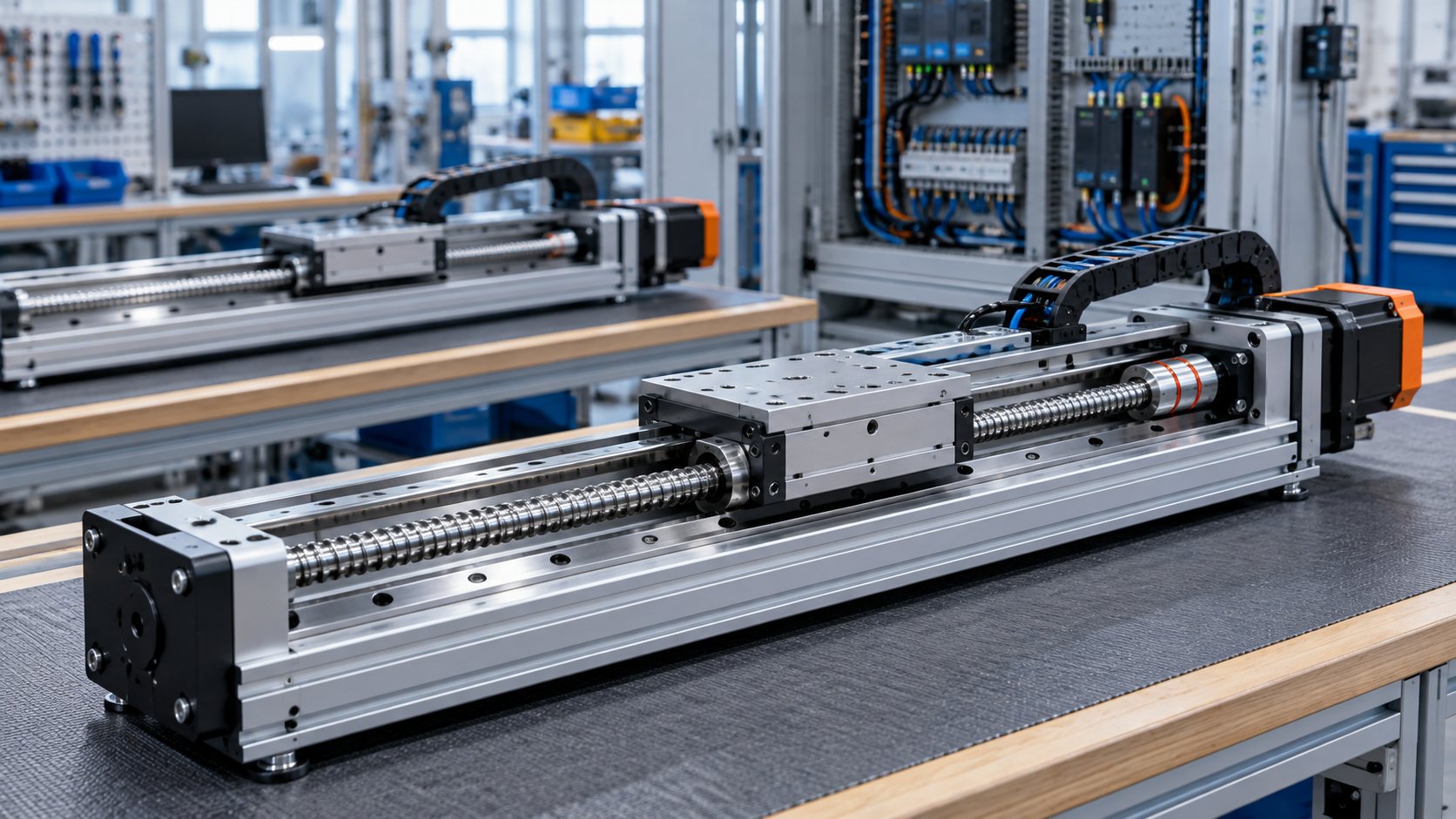
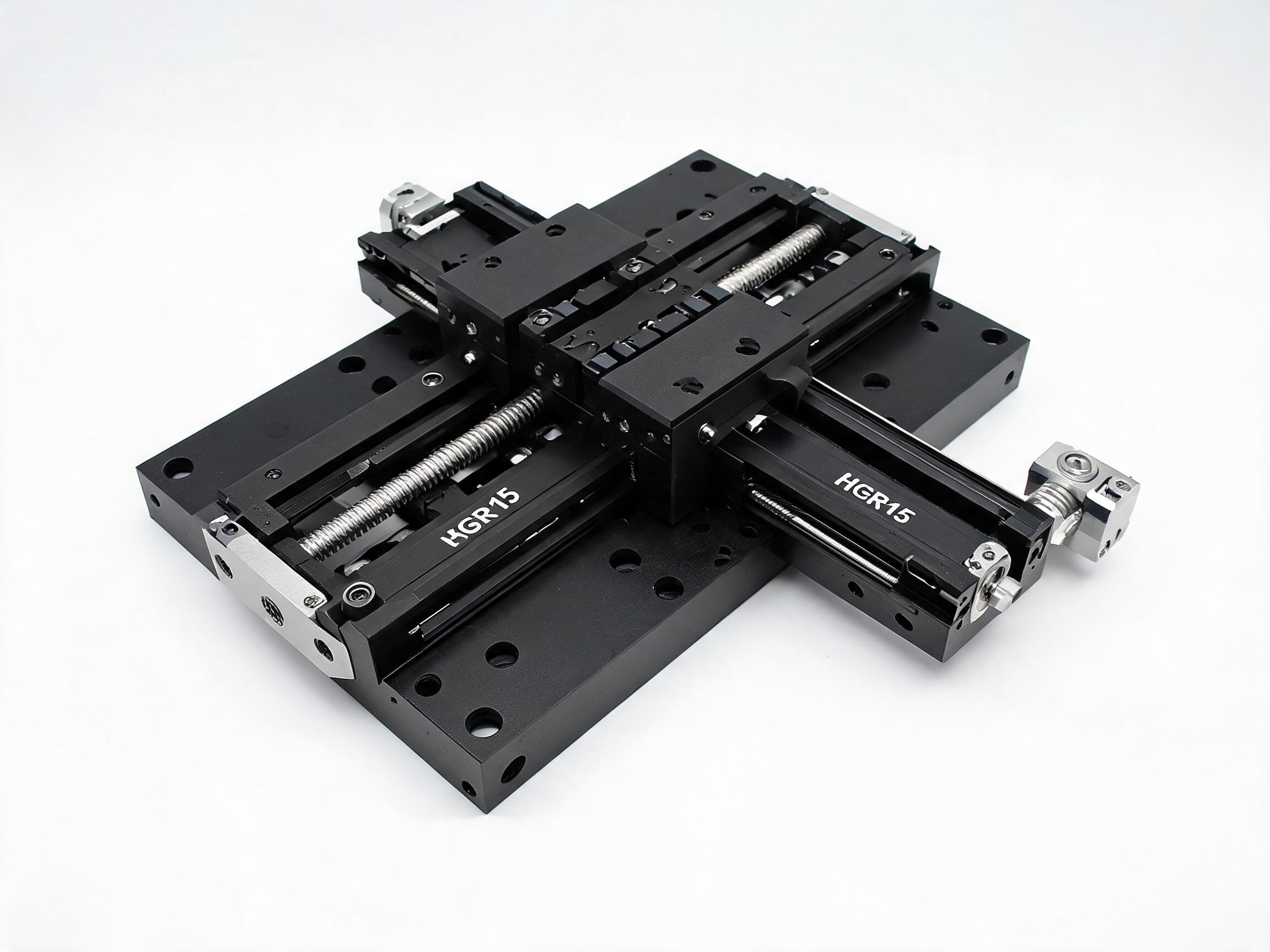
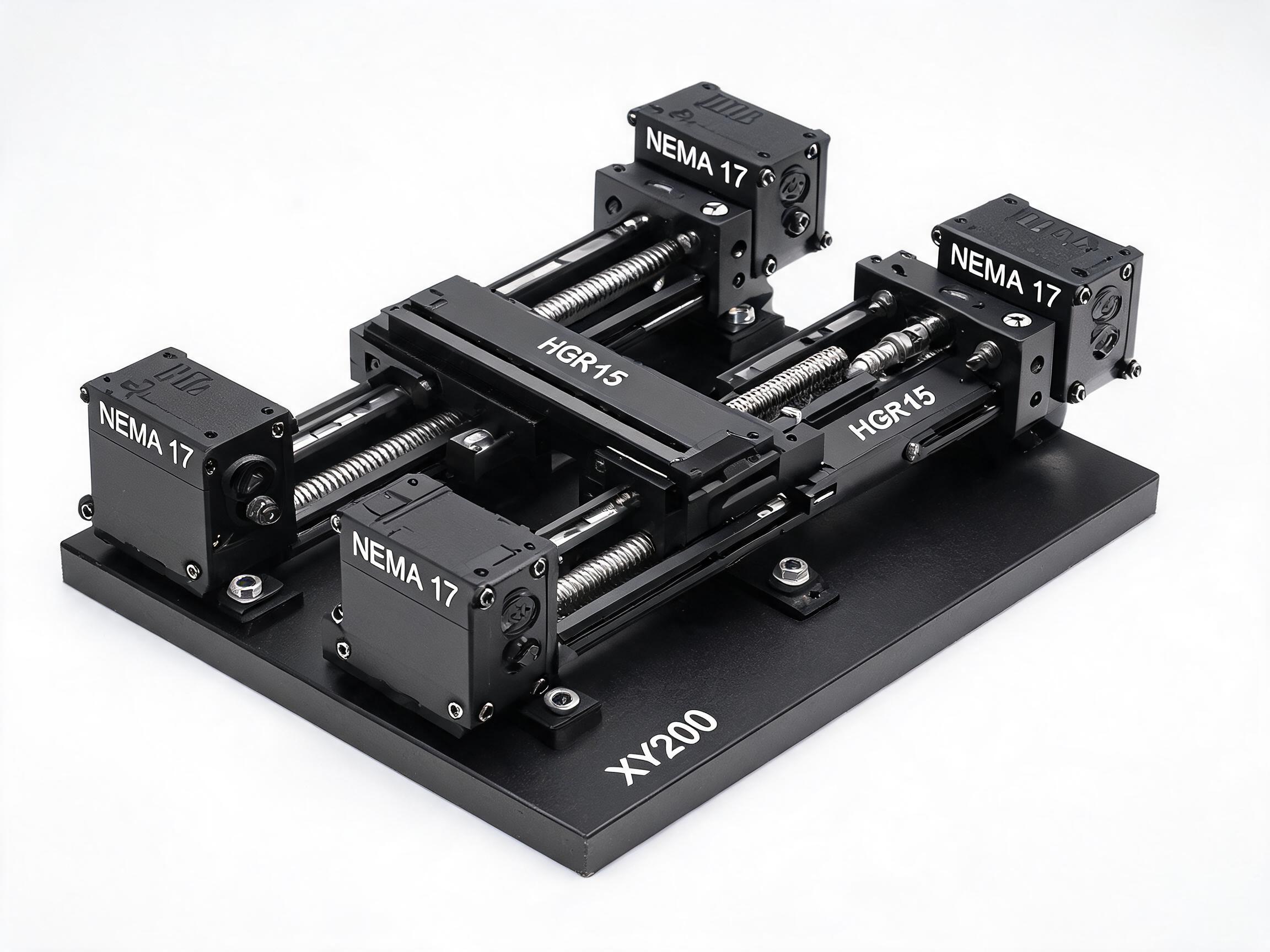
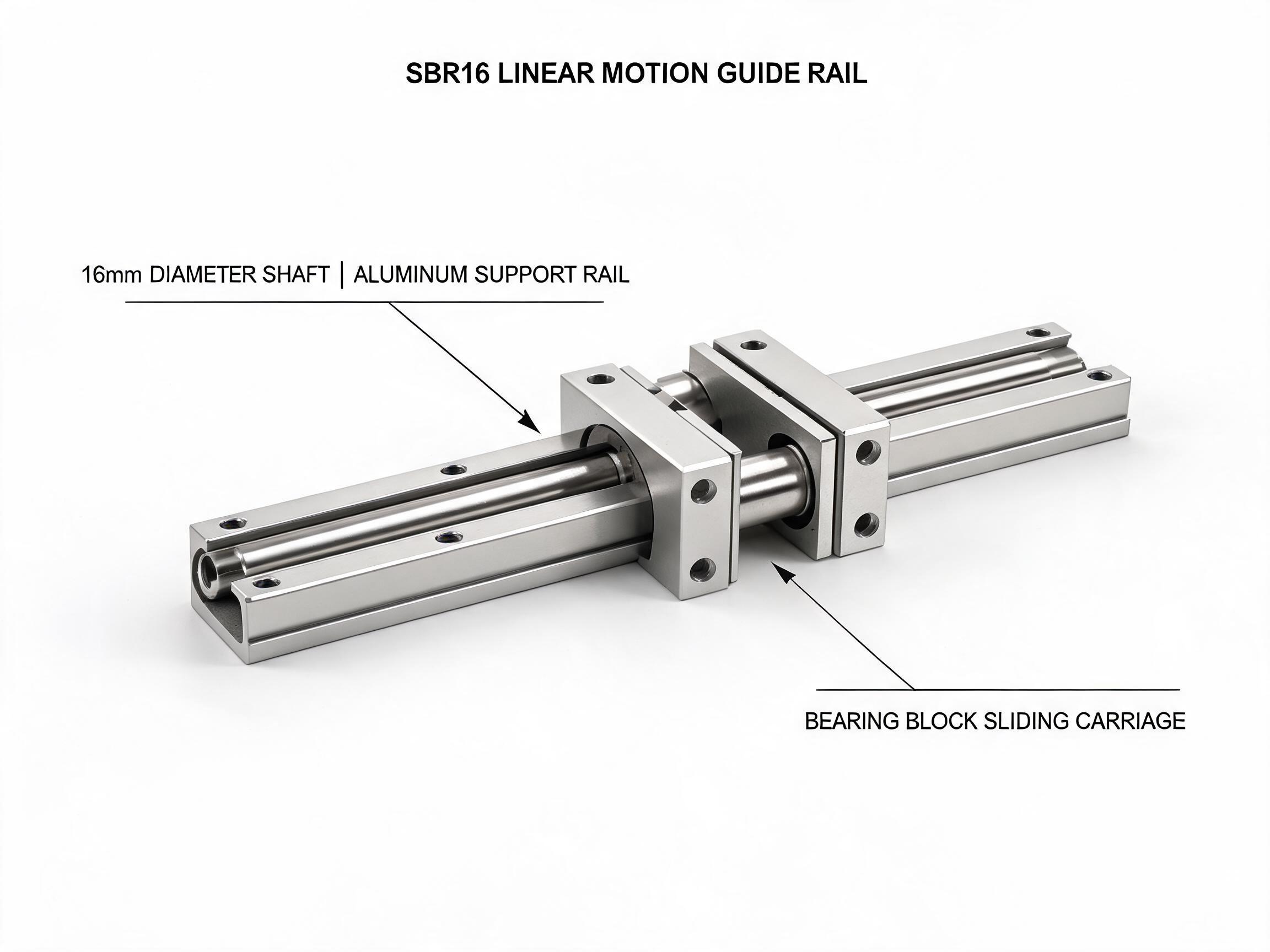
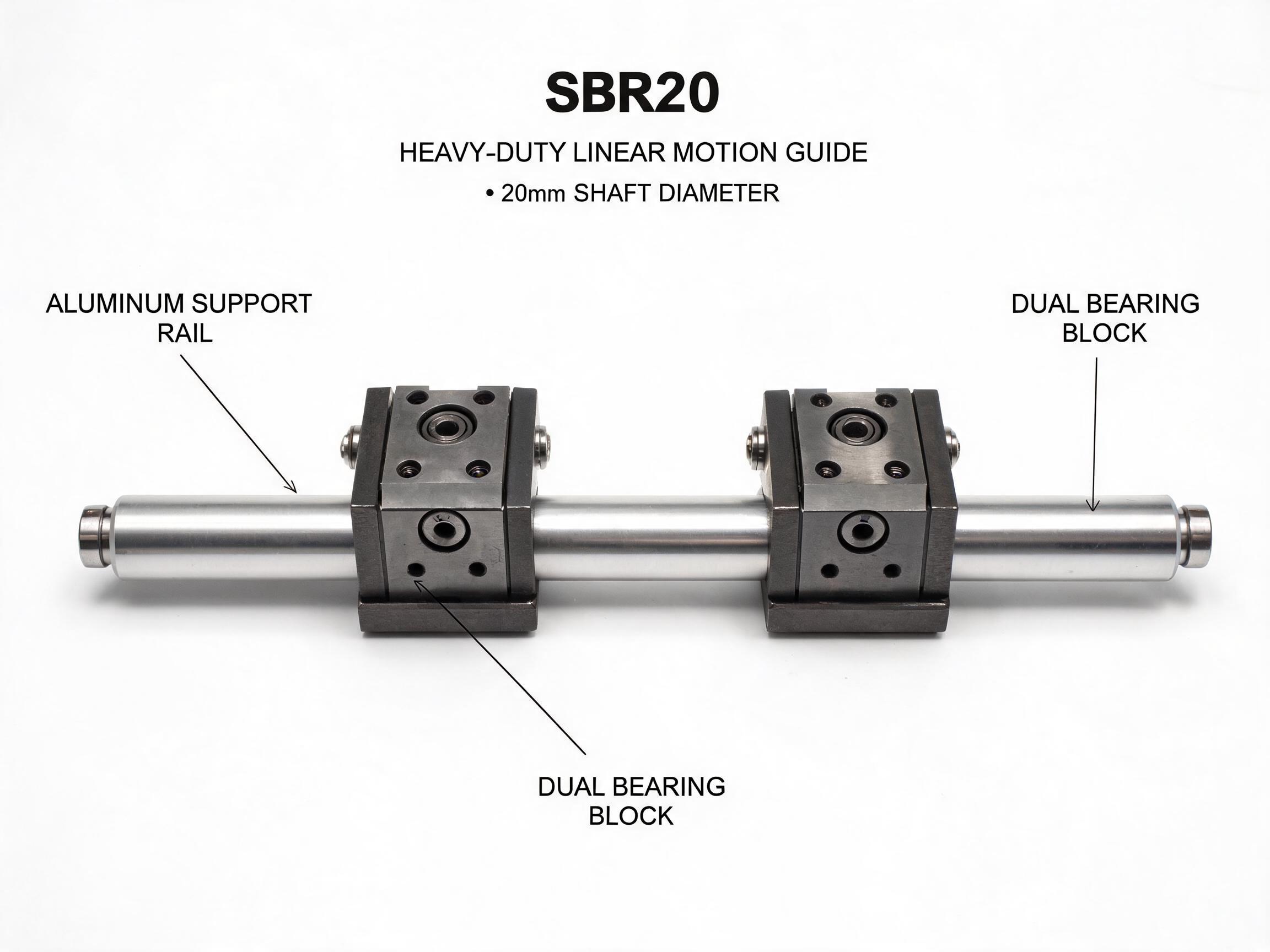
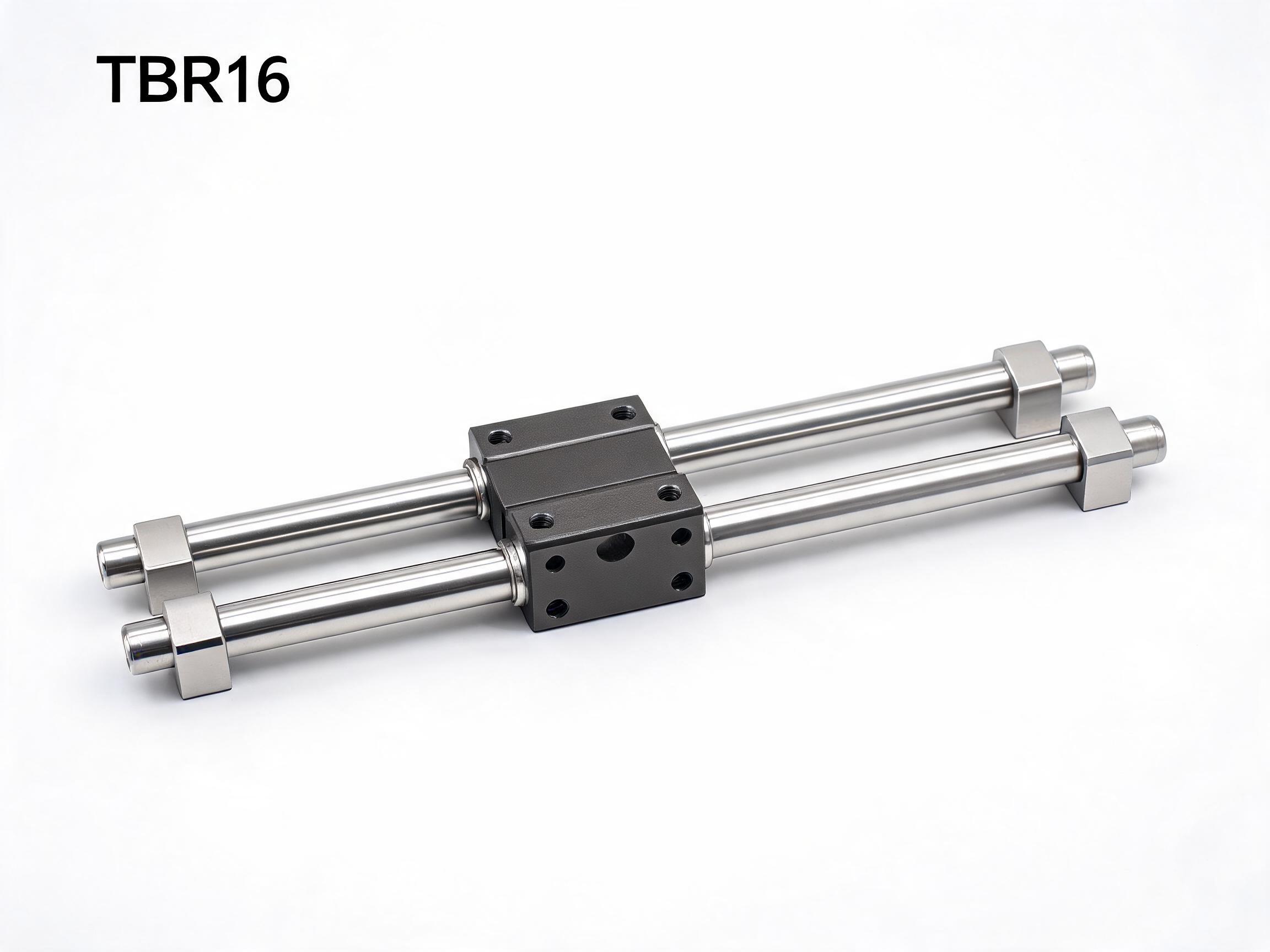
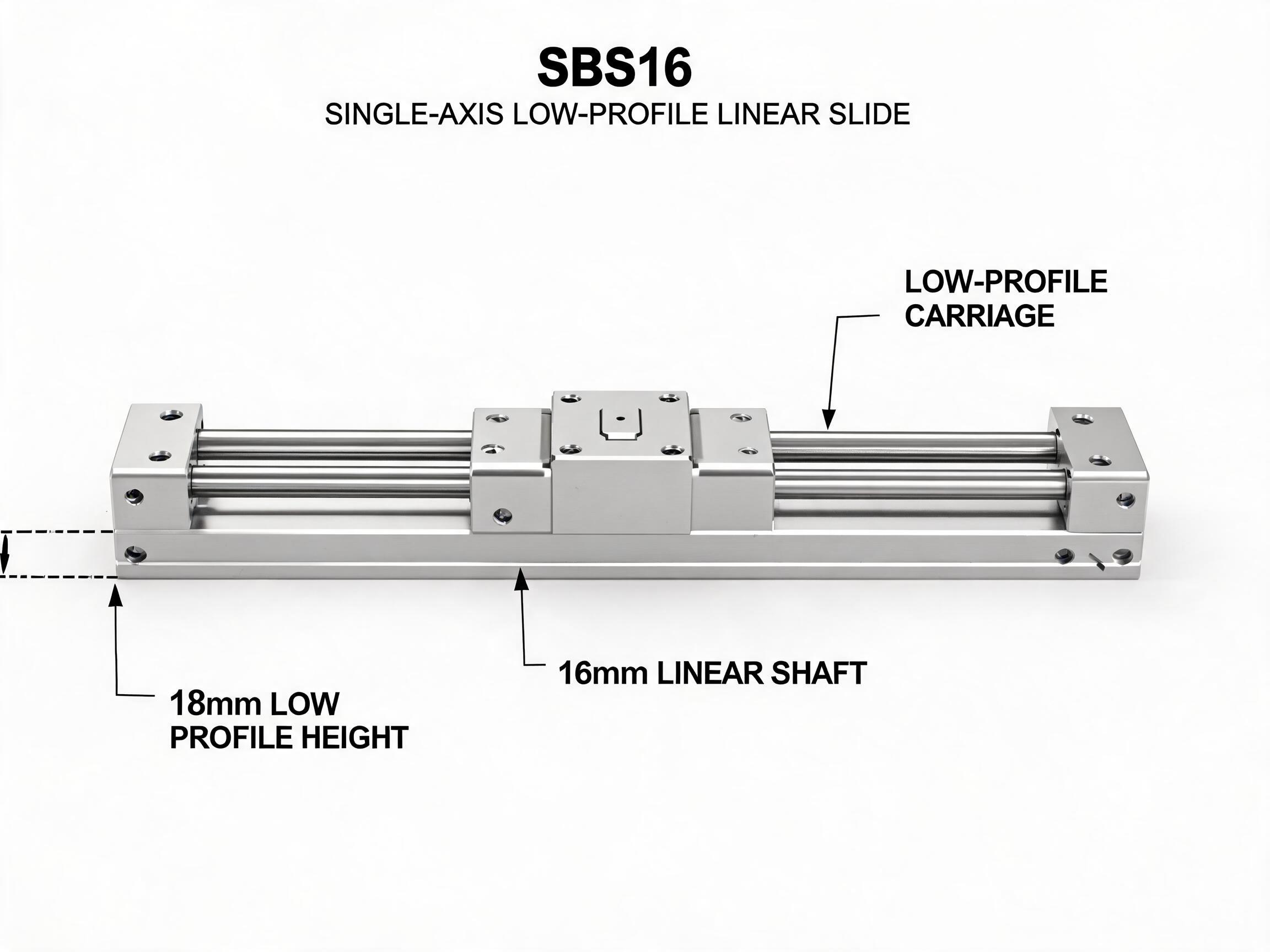
Dongfeng assembles the complete axis under one roof: guideway, ball screw, aluminum base and motor mounts come pre-aligned and inspected as one unit. The SKF20 module integrates an HGR15 guideway and SFU1605 screw on a 2020-compatible base; XY200 cross tables ship with CMM-verified 90-degree orthogonality within 0.02 degrees; SBR/SBS/TBR units cover round-rail axes from 18 mm low-profile to 3 m heavy gantry spans.
Pre-aligned, inspectedEvery module ships with inspection records - flatness, orthogonality, repeatability - so acceptance starts from verified numbers.
One accountable sourceGuide, drive and structure from one factory means one contact for support and one material standard across the axis.
Configured, not genericTravel, lead, guide series and motor mounts are set per order; the matcher below applies real product rules to your axis type.
What this buys you
- Integration time cut from days to hours per axis.
- Uniform repeatability across every station in a multi-axis system.
- Upgrade path: the same components are available separately for mixed builds.