A standard chrome-steel ball screw can fail quickly in washdown, chemical, or salt-air environments. This article explains what corrosion does, when stainless steel ball screws are the right choice, and the trade-offs in load capacity, cost, and availability. It also covers supplier questions to ask before ordering.
Stainless Steel Ball Screws: When Corrosion Decides
If your machine operates in a washdown area, a humid climate, or near salt air, a standard chrome-steel ball screw may be the first component to fail. Corrosion does not just attack the surface; it changes the screw's dimensions, increases friction, and contaminates the ball path. This article explains what corrosion does to a standard ball screw, when a stainless steel ball screw is the right choice, and the trade-offs you need to weigh before ordering.
Key Takeaways
- Corrosion on a standard ball screw begins in the ball grooves and can lead to pitting, increased backlash, and premature failure.
- Stainless steel ball screws are most justified in food processing, chemical, marine, and humid environments where moisture or chemicals are unavoidable.
- Alternatives include coated or plated shafts and better sealing on standard screws; each option trades off load capacity, cost, and availability.
- Before ordering, confirm the material grade of the screw and balls, the nut material, and the available diameters and leads with your supplier.
Contents
What Corrosion Does to a Standard Ball Screw
Standard ball screws are typically made from chrome-alloy steel, hardened and ground. The ball grooves are the most critical surfaces; they carry the load and guide the balls with minimal clearance. In a corrosive environment, moisture or chemicals can attack these grooves, especially where lubricant has been washed away.
Corrosion rarely stays cosmetic. It causes:
- Pitting: Small pits form in the raceway, increasing surface roughness and causing vibration and noise.
- Increased friction: Corrosion products act as abrasives, wearing the balls and grooves and reducing efficiency.
- Backlash and lost precision: As material is removed, the fit between screw, balls, and nut loosens, affecting positioning accuracy.
- Seal damage: Corrosion on the shaft can tear seals, allowing contaminants to enter the nut.
In short, corrosion accelerates wear and can lead to unexpected downtime. By the time rust is visible, the screw may already be losing performance.
Environments Where Corrosion Drives the Decision
Not every application needs stainless steel. The decision hinges on how much moisture or chemical exposure the screw will see, and how critical its failure would be.
Food Processing and Washdown
Food and beverage plants often use high-pressure washdown with water and detergents. Standard ball screws can corrode quickly, and rust particles are a contamination risk. Stainless steel ball screws are easier to clean and resist common cleaning agents. However, not all stainless grades are suitable for all chemicals; check compatibility with your cleaning protocol.
Chemical Processing
Chemical plants may expose screws to acids, alkalis, or solvents. The severity depends on the specific chemical, concentration, and temperature. In some cases, a coated shaft or a sealed standard screw may suffice; in others, only a stainless screw (sometimes with a specific grade) will survive. Material selection should be based on the chemical compatibility chart from the supplier.
Marine and Salt Air
Salt air and saltwater spray are aggressive. Even in sheltered areas, chloride ions can cause pitting corrosion on chrome steel. Stainless steel ball screws, especially those with higher molybdenum content, offer better resistance. For splash zones, additional protection such as bellows or covers is recommended.
High Humidity and Condensation
In tropical climates or unheated spaces, condensation can form on machine parts. A standard screw may rust during idle periods. Stainless steel reduces this risk, but proper lubrication and regular cycling still matter.
Stainless Steel Ball Screws vs. Coated Shafts vs. Better Sealing
When corrosion is a concern, you have three main paths: use stainless steel, apply a coating or plating to a standard screw, or improve sealing and maintenance on a standard screw. Each has its place.
Stainless Steel Ball Screws
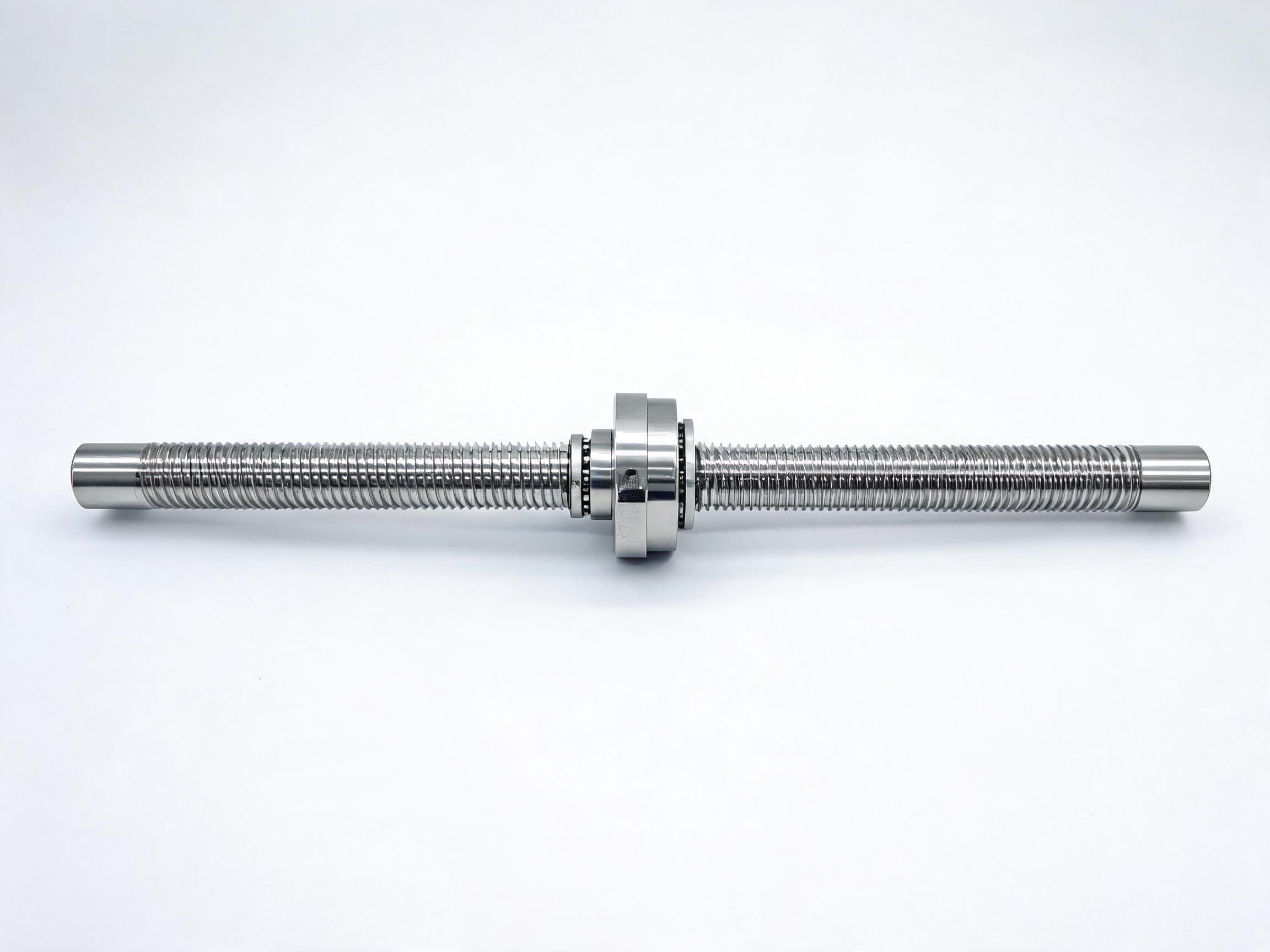
Stainless steel ball screws use corrosion-resistant steel for the screw, nut, and balls. They offer the best corrosion resistance but typically have lower load capacity than standard chrome-steel screws of the same size. They are also more expensive and may have longer lead times. Availability varies by series; confirm with the supplier.
Coated or Plated Shafts
Applying a coating such as hard chrome or nickel plating to a standard screw can improve corrosion resistance. However, coatings can wear or flake, especially in high-load applications, and may not protect the ball grooves as effectively as solid stainless steel. This option can be cost-effective for moderate environments.
Better Sealing and Maintenance on Standard Screws
If corrosion is mild or intermittent, upgrading seals (e.g., double lip seals, wipers) and using corrosion-inhibiting lubricants can extend the life of a standard screw. Regular maintenance and inspection are essential. This approach preserves load capacity and is the least expensive upfront, but it relies on disciplined maintenance.
| Option | Corrosion Resistance | Load Capacity | Relative Cost | Availability |
|---|---|---|---|---|
| Stainless steel ball screw | High | Lower than standard | Higher | Varies by series; confirm with supplier |
| Coated/plated standard screw | Moderate | Similar to standard | Moderate | Common |
| Standard screw with enhanced sealing | Low to moderate | Standard | Lowest | Widest |
Note: Load capacity and cost are relative and depend on size and series. Always verify with the supplier's datasheet.
Trade-offs: Load Capacity, Cost, and Availability
Choosing stainless steel is not a free upgrade. Understanding the trade-offs helps you make a balanced decision.
Load Capacity
Stainless steels used for ball screws often have lower hardness and strength than chrome-alloy steel. This means a stainless screw may have a lower dynamic load rating for the same diameter. If your application is highly loaded, you may need to increase the screw size, which affects space and cost.
Cost
Stainless steel ball screws are generally more expensive due to material and machining costs. However, the total cost of ownership may be lower if it prevents downtime and replacement in corrosive environments. Compare the upfront price with the expected service life.
Availability
Stainless steel ball screws are available in fewer sizes and leads than standard screws. Custom sizes may have longer lead times. Check with the supplier for the specific diameter and lead you need.
What to Confirm with Your Supplier
Before placing an order, clarify the following with your supplier:
- Material grade of the screw and balls: Stainless steel is a family of grades; each has different corrosion resistance and strength. Ask for the specific grade and its properties. The grade may vary by series; confirm with the supplier and datasheet.
- Nut material: The nut may be made from a different material (e.g., bronze or stainless). Ensure it is compatible with your environment.
- Availability by diameter and lead: Not all combinations are stocked. Confirm what is available and the lead time.
- Sealing and lubrication: Discuss the seals and lubricant recommended for your environment.
- Load ratings: Obtain the dynamic and static load ratings for the specific size and compare with your application requirements.
Frequently Asked Questions
Can I use a standard ball screw in a washdown environment if I grease it often?
Frequent greasing can help, but it is not a substitute for corrosion-resistant materials in continuous washdown. Water can displace grease, and detergents can break it down. For reliable operation, stainless steel or effective seals are recommended.
Are stainless steel ball screws as strong as standard ones?
They typically have lower load capacity for the same size. You may need a larger screw to achieve the same load rating. Consult the datasheet for exact values.
What is the most common stainless steel grade for ball screws?
Common grades include 440C and 316, but availability and suitability vary by application. Your supplier can recommend the appropriate grade based on your environment.
Can I get a stainless steel ball screw in a custom length?
Many suppliers offer custom lengths, but lead times may be longer. Confirm with the supplier.
For more information on selecting the right ball screw for your application, send your operating conditions — environment, load, stroke and duty cycle — to your supplier's technical team, and ask for a written recommendation before you order.