What buyers actually struggle with
Sourcing a ball screw assembly for a CNC or automation axis is full of expensive detours. Buyers routinely order a lead pitch that looks fine on paper, then discover at commissioning that hitting the target rapid speed forces rpm above the screw's critical speed, and the screw whips. Others accept backlash they believe is inherent, only to lose bidirectional repeatability on positioning axes. And assemblies quoted without documented lead accuracy arrive with no inspection sheet to argue against.
Impact on your operation: commissioning delays while you re-source a different lead, axes that cannot hold positioning from both directions, and scrap when assemblies without traceable accuracy grades enter precision machines.
Our engineering solution
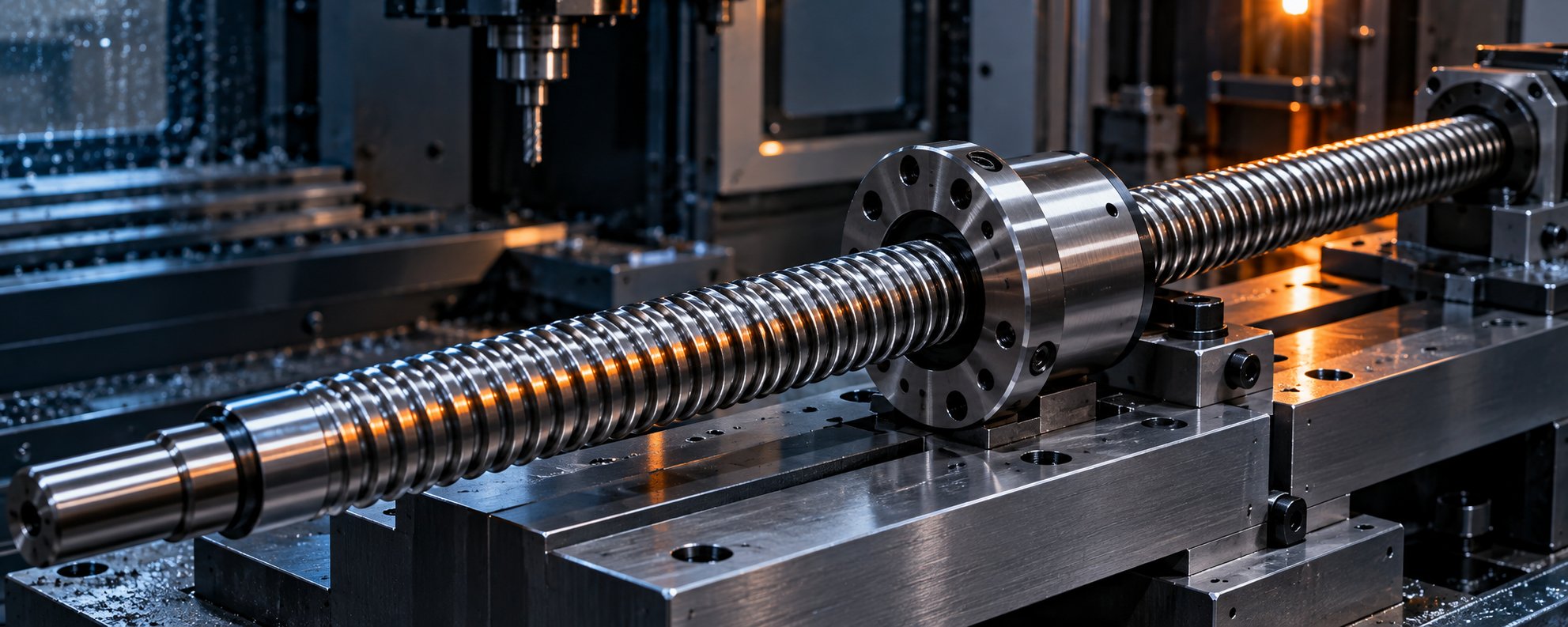
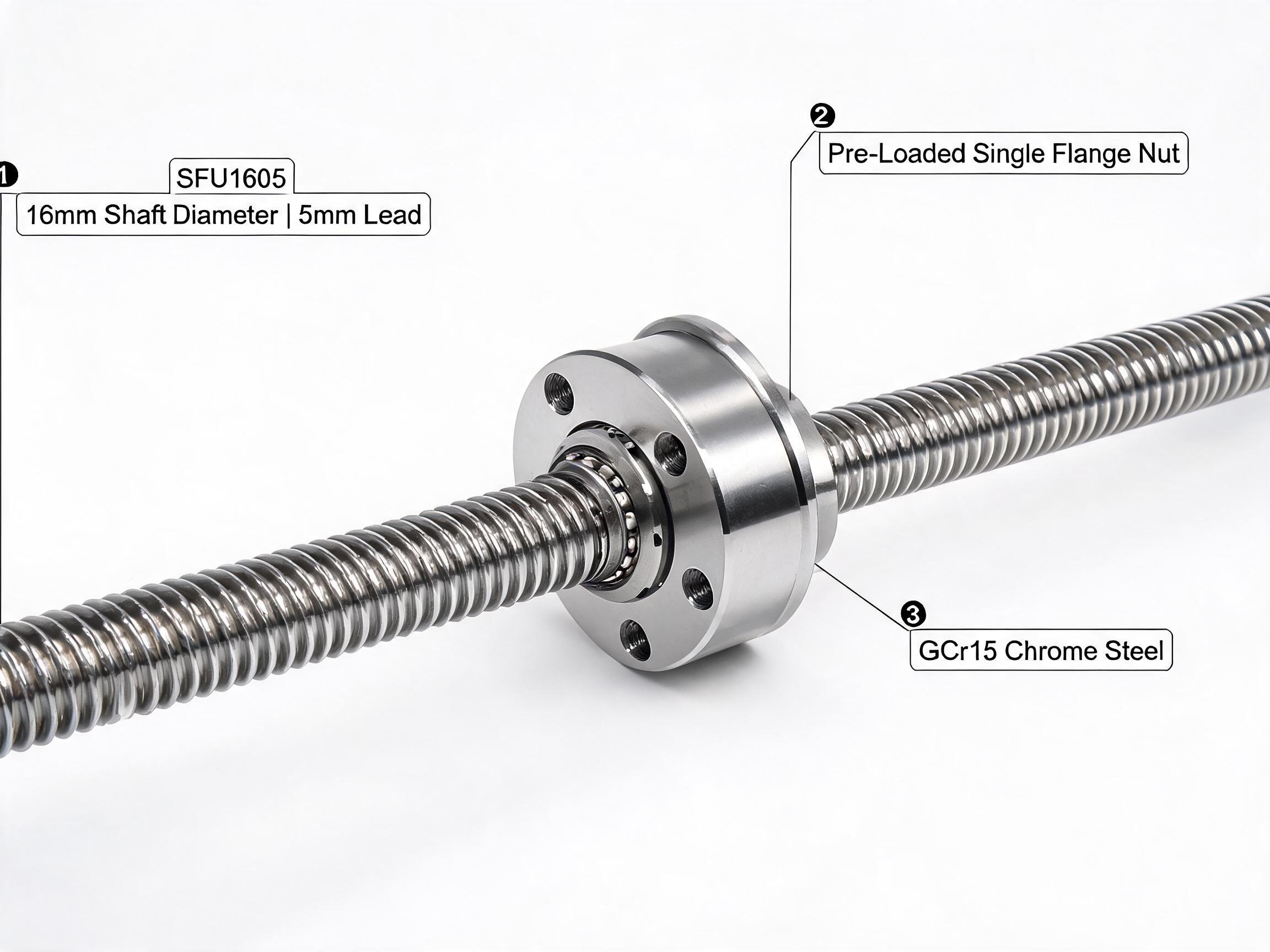
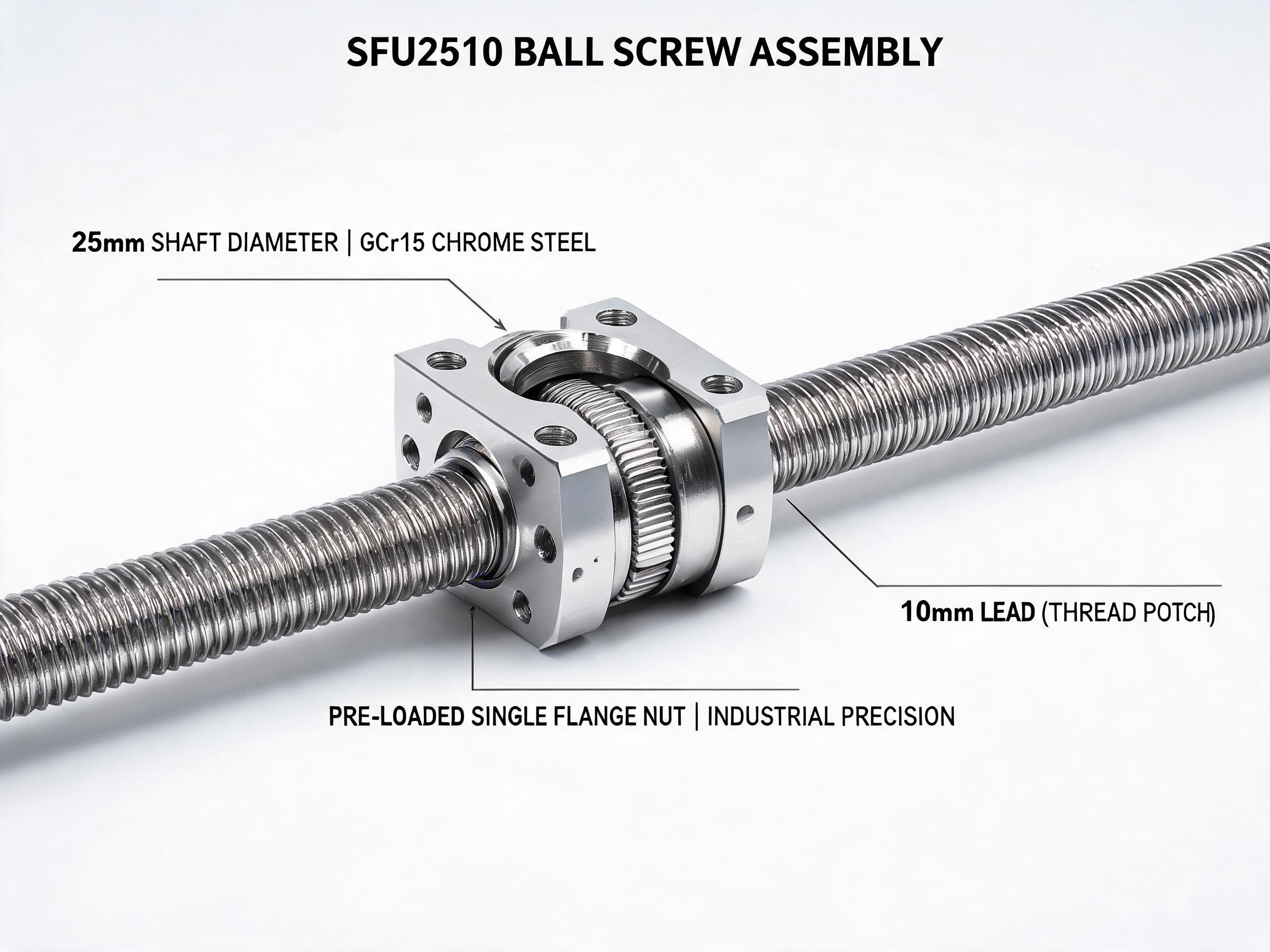
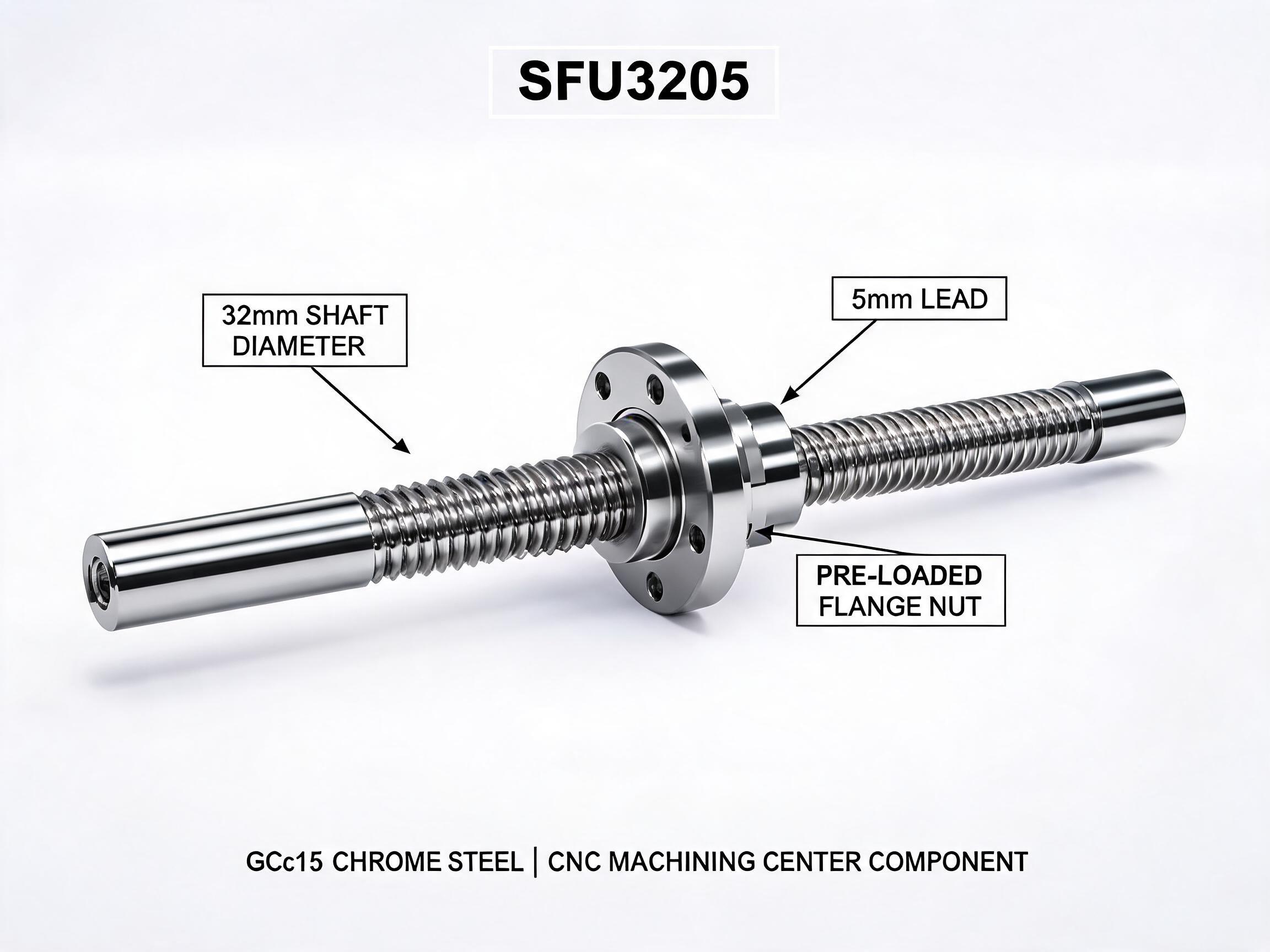
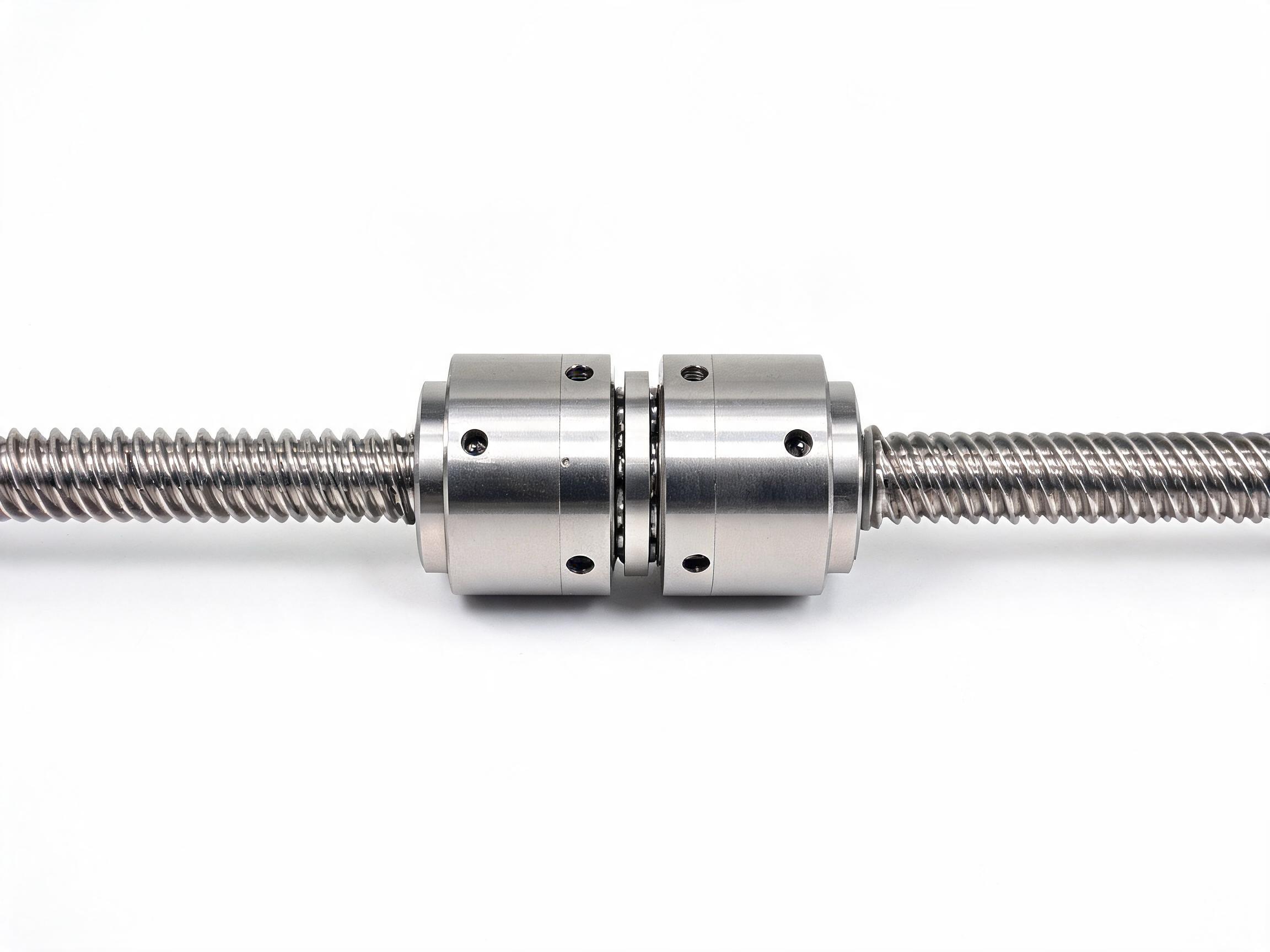
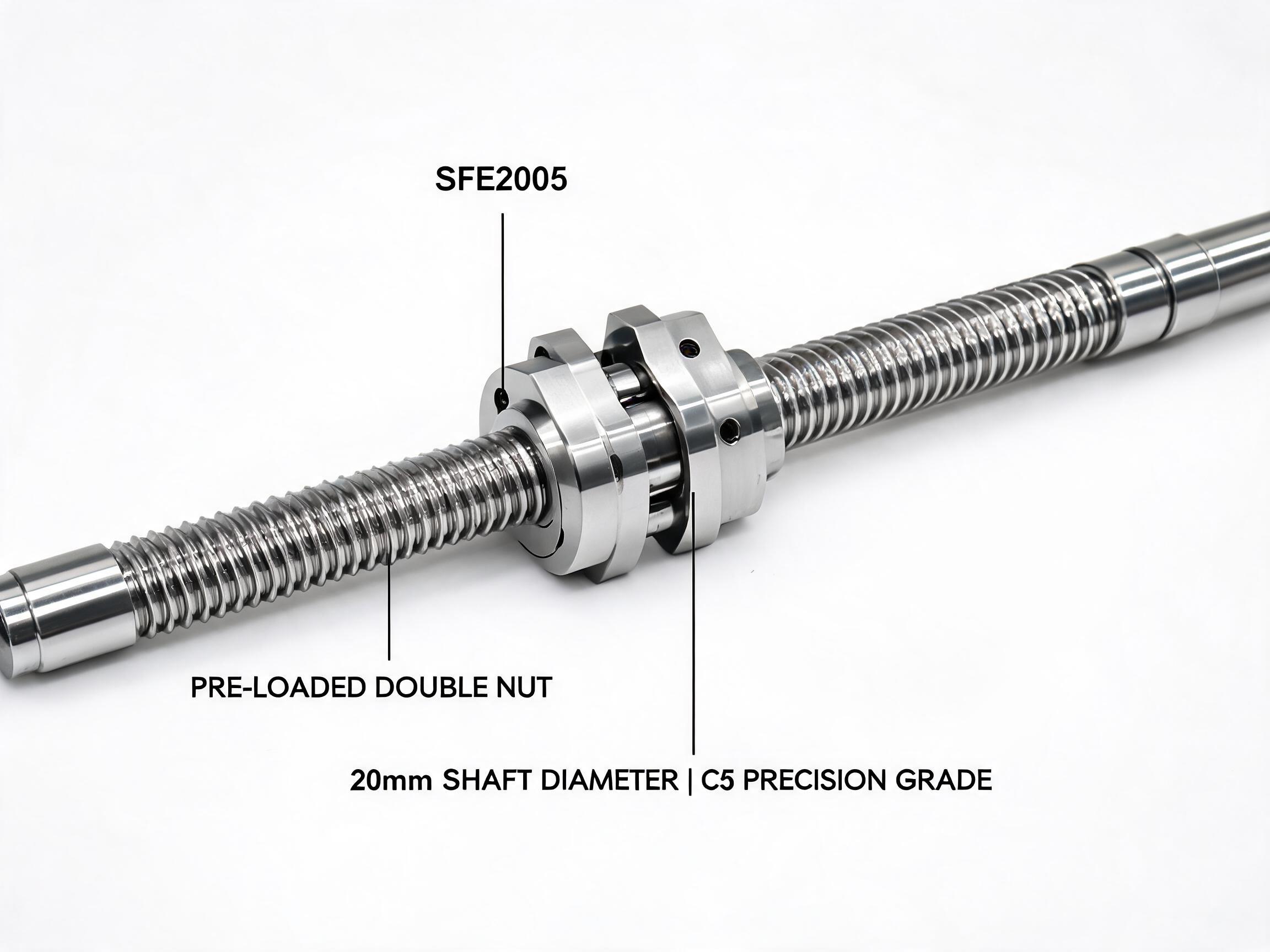
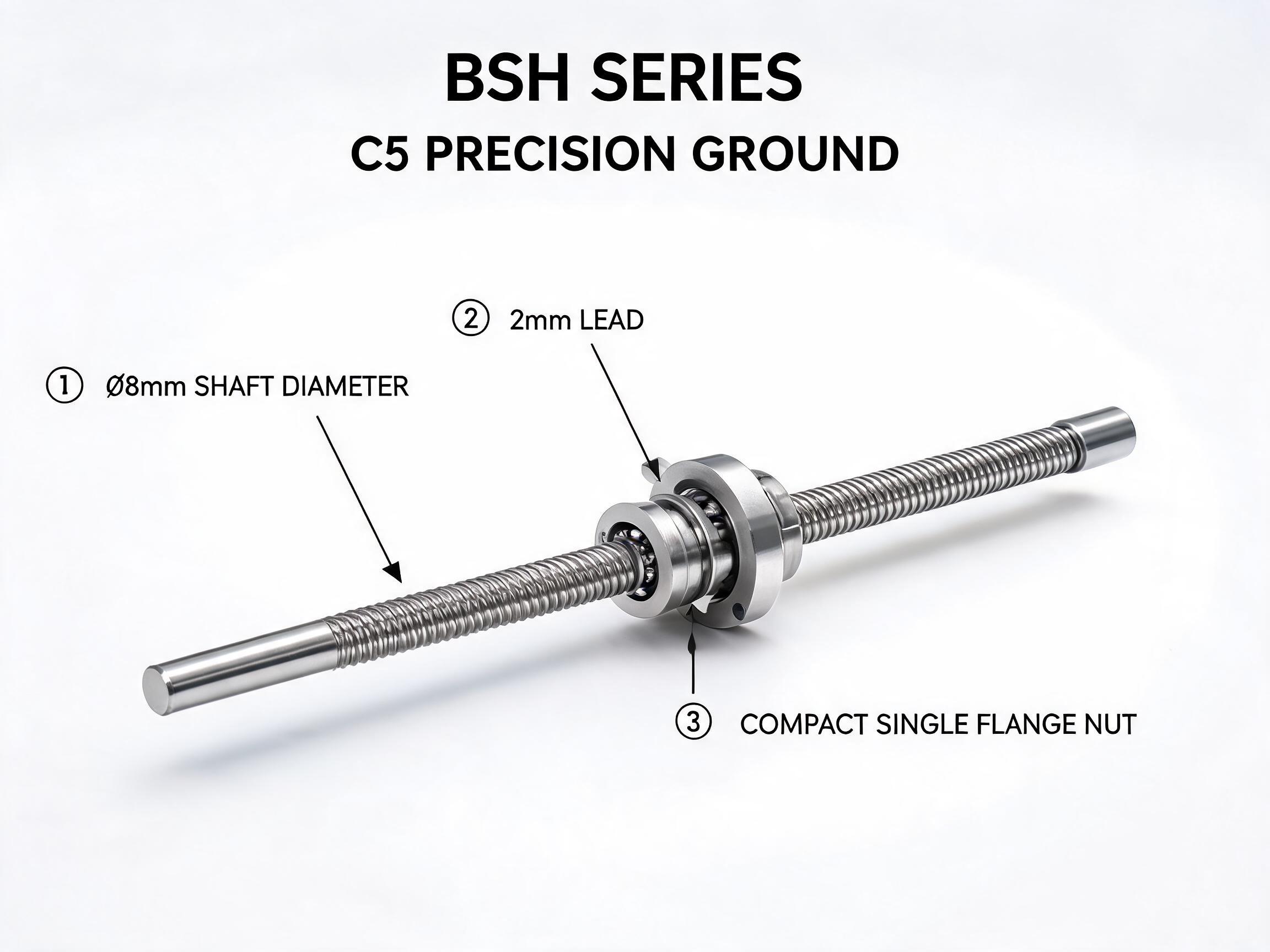
Dongfeng supplies the assembly as an engineered system, not a bare screw. Rolled C7 (SFU) and ground C5 (SFE) screws per ISO 3408 cover cost-driven and precision axes; DFU double-nut assemblies hold axial play below 0.003 mm with precision-spacer preload; BSH miniature ground screws cover sub-12 mm shafts for lab and medical automation. Ends are machined to your fixing-unit interface, so the assembly bolts into your axis with matched support bearings.
Speed by designLead pitch matched to your rpm limit: larger lead reaches the same linear speed at lower rpm, keeping operation under the critical-speed curve.
Zero-backlash optionsDFU double-nut preload delivers 1.5x the dynamic load of single-nut equivalents and under 0.003 mm axial play.
Documented accuracyC5 assemblies ship with lead-accuracy inspection records (±0.008 mm/300 mm), so incoming inspection has numbers to file.
What this buys you
- First-pass commissioning: speed targets reached without exceeding critical speed.
- Bidirectional repeatability on positioning axes without external anti-backlash hardware.
- Direct factory pricing across 16-40 mm shafts with sample and volume MOQ flexibility.