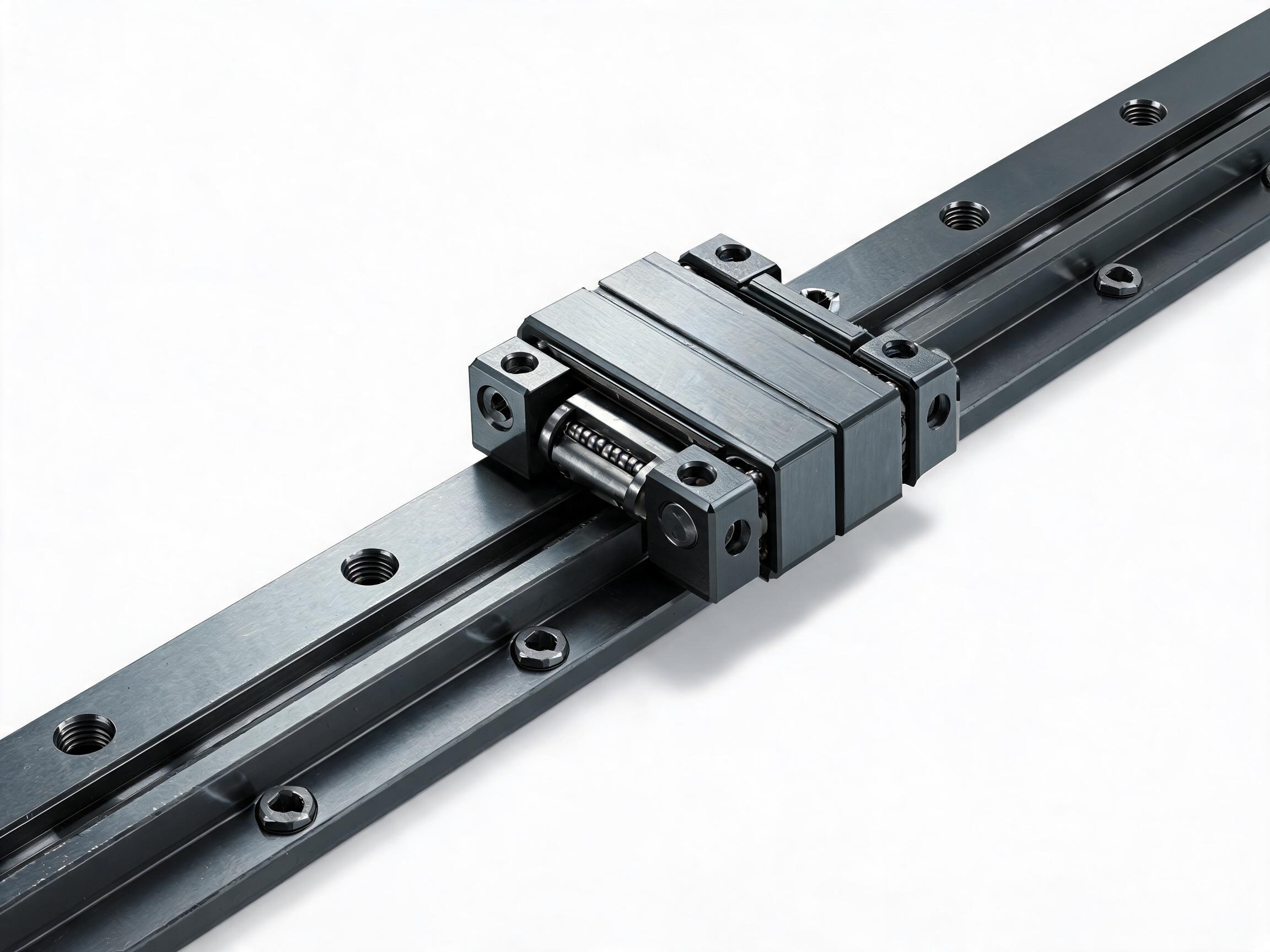
Linear Guide Shaft: Material, Precision, and System Integration
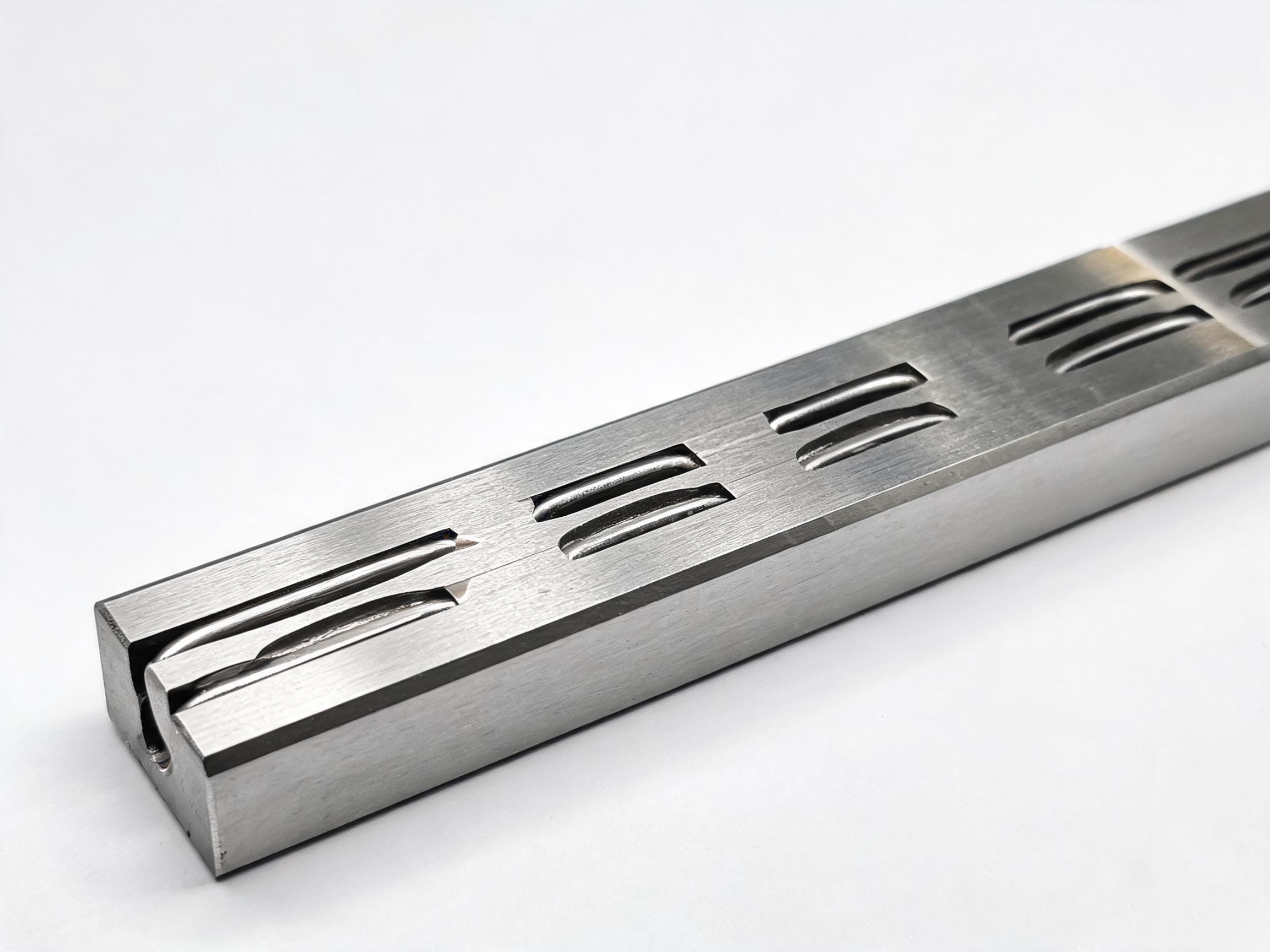
A linear guide shaft is a precision cylindrical steel shaft used as the guidance surface for linear ball bearings and bushings, providing an alternative to profile rail guides for applications requiring simpler installation, lower cost, or specific motion configurations. Dongfeng Bearing manufactures linear guide shafts in two configurations: solid shafts for SBR and TBR slide units (16 mm and 20 mm diameter), and shaft-based linear bearing systems including LM, LME, LMF, LMK, LMUU, and SC series bushings that roll directly on the shaft surface. Shaft material is high-carbon chromium bearing steel (GCr15/SUJ2) hardened to 58-62 HRC with surface roughness Ra 0.2-0.4, providing the wear-resistant raceway surface that linear ball bearings ride on.
Unlike profile rail guides where the raceway is integrated into the rail profile, linear guide shafts serve as the rolling surface for bushing-type bearings. The shaft diameter tolerance is critical: bushing balls contact the shaft at specific contact angles, and diameter variation directly affects bearing clearance, load capacity, and motion smoothness. Dongfeng Bearing shafts are precision ground to h5 tolerance (plus 0 / minus 0.008 mm for 16 mm shaft, plus 0 / minus 0.009 mm for 20 mm shaft) with cylindricity within 0.003 mm.
| Shaft Type | Diameter | Tolerance | Material | Hardness | Surface Roughness |
|---|---|---|---|---|---|
| SBR16 shaft | 16 mm | h5 (0/-0.008) | GCr15 | 58-62 HRC | Ra 0.2-0.4 |
| SBR20 shaft | 20 mm | h5 (0/-0.009) | GCr15 | 58-62 HRC | Ra 0.2-0.4 |
| LM shaft | 12-50 mm | h5 | GCr15 | 58-62 HRC | Ra 0.2-0.4 |
Shaft Material Science and Heat Treatment
Linear guide shafts are manufactured from GCr15 high-carbon chromium bearing steel containing 0.95-1.10 percent carbon and 1.30-1.65 percent chromium. The heat treatment process includes through-hardening at 840-860 degrees Celsius in oil, tempering at 150-180 degrees Celsius for stress relief, and deep cold aging at minus 60 to minus 80 degrees Celsius for dimensional stability and retained austenite transformation. This achieves uniform through-hardness of 58-62 HRC, meaning the entire shaft cross-section has the same hardness, not just the surface. This is critical because linear ball bearings exert point loads that penetrate the surface, requiring subsurface strength to prevent indentations and premature wear. SGS material test reports verify steel composition, hardness depth profile, and microstructure.
Surface Finish and Its Impact on Bearing Performance
Shaft surface roughness directly affects linear ball bearing life, friction, and noise. At Ra 0.2-0.4, the surface is smooth enough to minimize ball contact stress concentration while retaining microscopic lubricant pockets. Surface roughness above Ra 0.6 increases friction, noise, and wear; below Ra 0.1, the surface becomes too smooth for lubricant retention, leading to dry contact and accelerated wear. The shaft surface is ground in a centerless grinding process that achieves consistent diameter along the full length, with taper limited to 0.005 mm per 1000 mm. After grinding, shafts are super-finished with abrasive stones to remove grinding peaks and achieve the final Ra 0.2-0.4 specification.
Shaft Straightness and Geometric Tolerance
Straightness is the most critical geometric tolerance for linear guide shafts because any curvature directly translates to motion error. Dongfeng Bearing shafts are straight within 0.05 mm per 1000 mm for standard grade and 0.02 mm per 1000 mm for precision grade. For shafts used in SBR and TBR units with support rails, straightness is less critical because the support rail corrects minor curvature. For unsupported shafts (cantilevered or simply supported), straightness directly affects bearing running resistance and load distribution. Cylindricity (roundness plus taper) is controlled within 0.003 mm to ensure uniform bearing clearance along the full travel length.
Matching Linear Ball Bearings to Guide Shafts
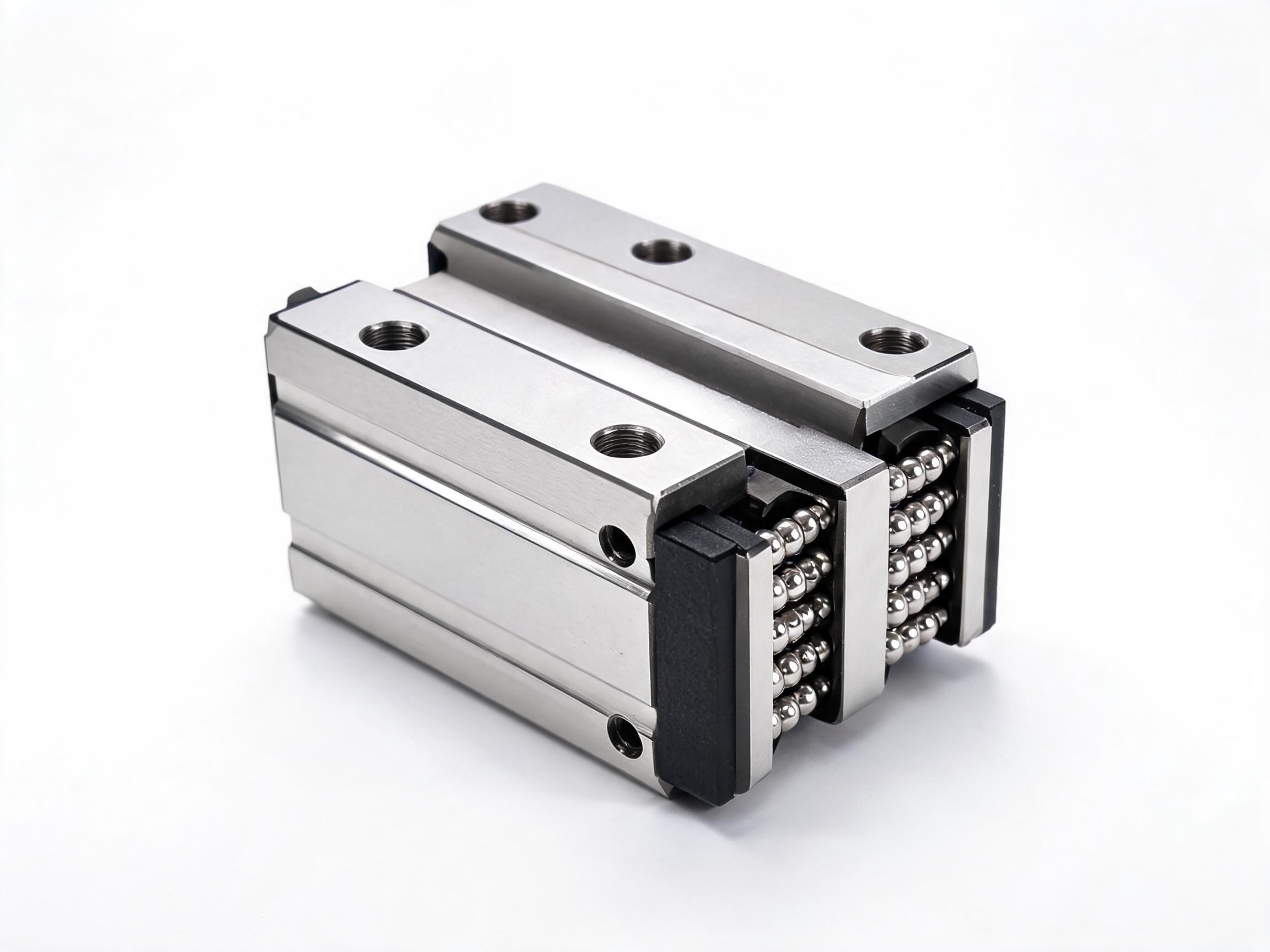
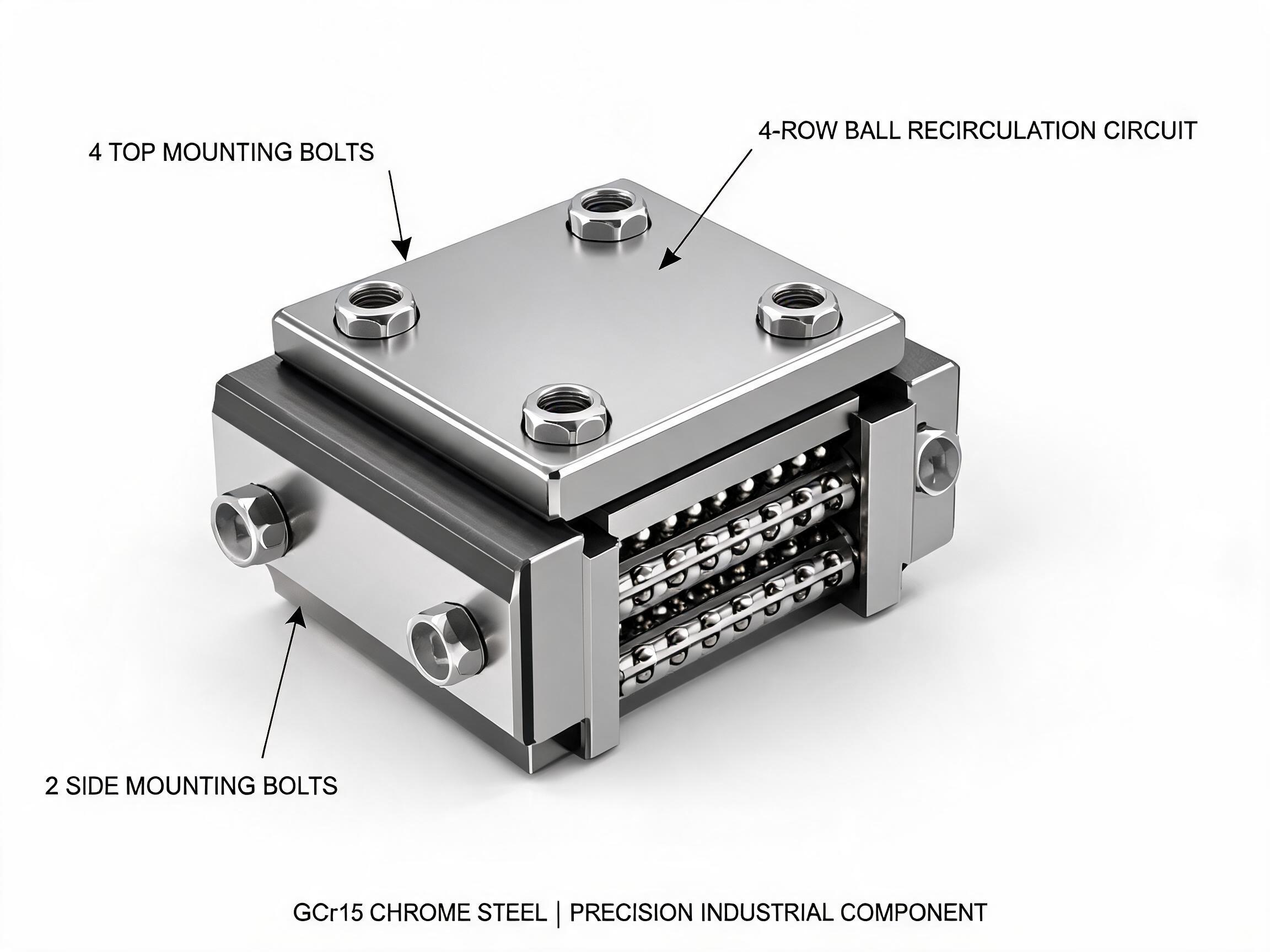
Linear ball bearings are selected based on shaft diameter, load requirement, and mounting configuration. The LM series fits metric shafts from 6 to 50 mm diameter. The LME series fits metric shafts with different outer ring dimensions. The LMF series adds a square flange for bolted mounting. The LMK series provides a double-length outer ring for higher moment load capacity. The LMUU series features integrated seals for contaminated environments. The SC series uses plain (non-ball) bushings for low-cost, low-speed applications. Each bearing type has specific clearance, load rating, and speed limits that must be matched to the shaft specifications.
| Bearing Series | Shaft Diameter | Dynamic Load | Features | Best For |
|---|---|---|---|---|
| LM | 6-50 mm | 0.2-8 kN | Standard metric | General automation |
| LME | 6-50 mm | 0.2-8 kN | Alternative dimensions | European standard |
| LMF | 6-50 mm | 0.2-8 kN | Square flange | Bolted mounting |
| LMK | 6-50 mm | 0.3-12 kN | Double-length | Higher moment loads |
| LMUU | 6-50 mm | 0.2-8 kN | Sealed | Dusty environments |
Supported vs Unsupported Shaft Configurations
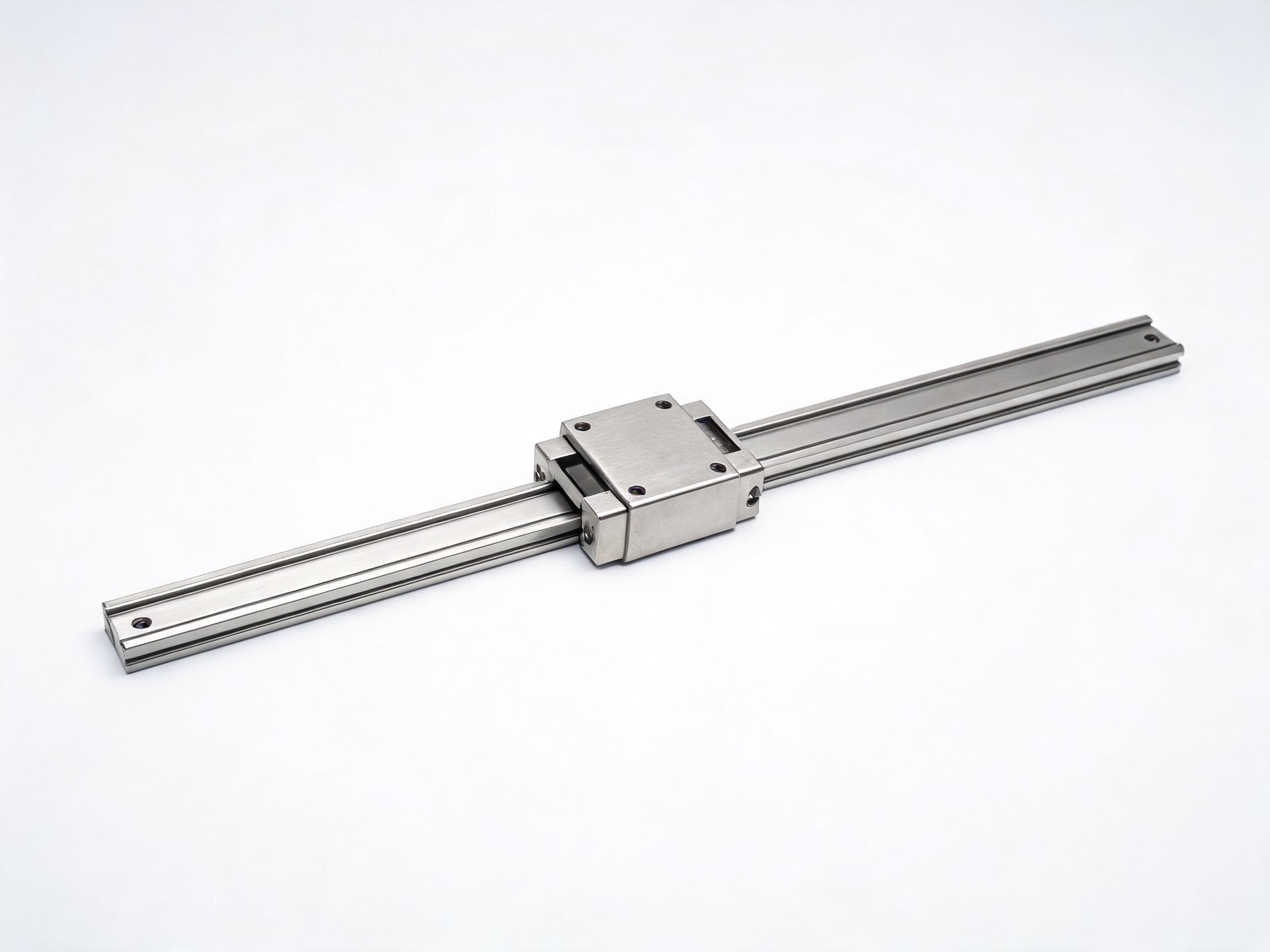
Supported shafts use an aluminum or steel support rail bolted along the shaft length, preventing deflection under load. SBR16 and SBR20 units use this configuration, enabling higher loads and longer travel than unsupported shafts. Unsupported shafts rely on the shaft itself for rigidity; maximum load and length are limited by shaft deflection. For a 20 mm diameter shaft simply supported at 1000 mm span, a 5 kg load at center causes 0.15 mm deflection, significant for precision applications. For spans above 500 mm with loads above 2 kg, always use supported shaft configurations.
Shaft-Based vs Profile Rail Guide Systems
Shaft-based systems (LM bearings on shafts or SBR units) offer simpler installation, lower cost, and easier sourcing compared to profile rail guides (HGR/HGH). However, profile rail guides provide higher load capacity, higher rigidity, better accuracy, and equal four-direction load capacity. For applications requiring positioning accuracy below 0.05 mm or loads above 8 kN, profile rail guides are recommended. For general automation, packaging, and material handling with moderate precision requirements, shaft-based systems offer the best value.
| Parameter | Shaft-Based (SBR/LM) | Profile Rail (HGR/HGH) |
|---|---|---|
| Max load per bearing | 3-8 kN | 7.2-168 kN |
| Positioning accuracy | 0.05-0.1 mm | 0.003-0.010 mm |
| Cost | Lower | Higher |
| Installation complexity | Simpler | Requires precision surface |
| Directional load | Radial preferred | Equal 4-direction |
Installation and Alignment of Guide Shafts
For supported shafts (SBR units), bolt the support rail to the machine frame at all mounting points, ensuring the support surface is flat within 0.05 mm per 1000 mm. For dual-shaft systems (TBR16), align the two shafts parallel within 0.05 mm per 300 mm using dial indicators on bearing blocks. For unsupported shafts, use precision shaft supports (pillow blocks) at both ends, ensuring alignment within 0.02 mm. After installation, move bearing blocks through full travel to verify smooth motion. Any binding or resistance variation indicates misalignment or shaft straightness issues.
Maintenance and Shaft Surface Protection
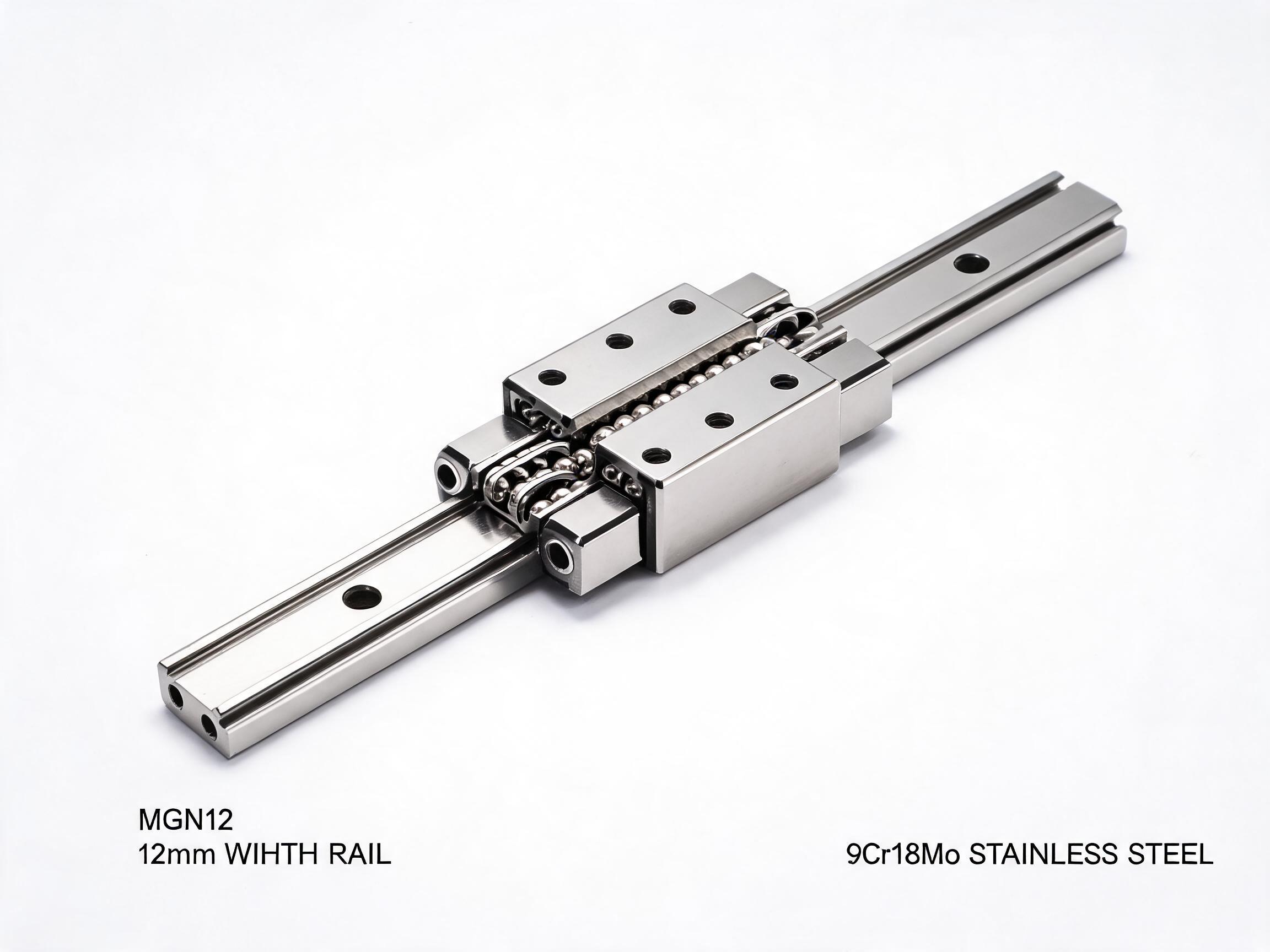
Linear guide shafts require regular lubrication to maintain the ball-raceway interface. Apply light oil (ISO VG 32-68) or lithium grease (NLGI 0-1) to the shaft surface every 200-500 hours of operation. In dusty environments, use sealed bearings (LMUU) and wipe the shaft surface weekly with a lint-free cloth. For corrosion protection during storage or transport, shafts are coated with rust-preventive oil. For stainless steel applications, 9Cr18Mo shafts are available with 56-58 HRC for food, medical, and marine environments. Inspect shaft surface annually for wear tracks, scoring, or indentations indicating contamination or overload.
Quality Control and Certification for Guide Shafts
Each linear guide shaft shipment includes diameter verification at three positions along the length, straightness measurement on a granite surface plate, hardness testing (58-62 HRC), and surface roughness certification. SGS material test reports confirm GCr15 steel composition. CE conformity and RoHS compliance are standard. For shaft-based systems including bearings, CMM inspection of bearing bore diameter and ball circuit function is included. 24-month warranty covers material defects, dimensional non-conformance, and premature surface failure under rated load.
Frequently Asked Questions
What material are linear guide shafts made from?
GCr15 high-carbon chromium bearing steel (SUJ2/52100), through-hardened to 58-62 HRC with surface roughness Ra 0.2-0.4. Stainless steel 9Cr18Mo at 56-58 HRC available for corrosive environments.
What diameter tolerance do guide shafts have?
h5 tolerance: plus 0 / minus 0.008 mm for 16 mm shaft, plus 0 / minus 0.009 mm for 20 mm shaft. Cylindricity within 0.003 mm. Taper limited to 0.005 mm per 1000 mm.
How does shaft surface roughness affect bearing life?
Ra 0.2-0.4 is optimal: smooth enough to minimize contact stress while retaining lubricant pockets. Above Ra 0.6 increases friction and wear; below Ra 0.1 causes dry contact and accelerated wear.
What is the difference between supported and unsupported shafts?
Supported shafts (SBR units) use a support rail to prevent deflection, enabling higher loads and longer travel. Unsupported shafts rely on shaft rigidity, limited to short spans and light loads above 500 mm or 2 kg.
Which linear bearings fit on guide shafts?
LM (standard metric), LME (European dimensions), LMF (square flange), LMK (double-length for moment loads), LMUU (sealed for dust), SC (plain bushing for low cost). Selection depends on shaft diameter, load, and mounting requirements.
Should I choose shaft-based or profile rail guide systems?
Shaft-based for moderate precision (0.05-0.1 mm) and loads below 8 kN. Profile rail for high precision (below 0.01 mm) or loads above 8 kN. Shaft systems are simpler and cheaper; profile rails are more accurate and rigid.
How straight are linear guide shafts?
Standard grade: straight within 0.05 mm per 1000 mm. Precision grade: 0.02 mm per 1000 mm. For supported shafts, straightness is less critical as the support rail corrects minor curvature.
How often should guide shafts be lubricated?
Every 200-500 hours with light oil (ISO VG 32-68) or lithium grease NLGI 0-1. In dusty environments, use sealed bearings and wipe shafts weekly. Inspect annually for wear tracks or scoring.
Are stainless steel guide shafts available?
Yes. 9Cr18Mo martensitic stainless steel at 56-58 HRC for food, medical, and marine applications. Load capacity is approximately 85 percent of GCr15 carbon steel shafts. FDA food-grade compliance available.
What certifications come with guide shafts?
Diameter verification, straightness measurement, hardness testing, surface roughness certification, SGS material test reports, CE conformity, and RoHS compliance. 24-month warranty from shipment date.