
Topics
In-depth articles, guides and industry insights.
Linear Motion System Catalog: Comparing Module Spec Sheets
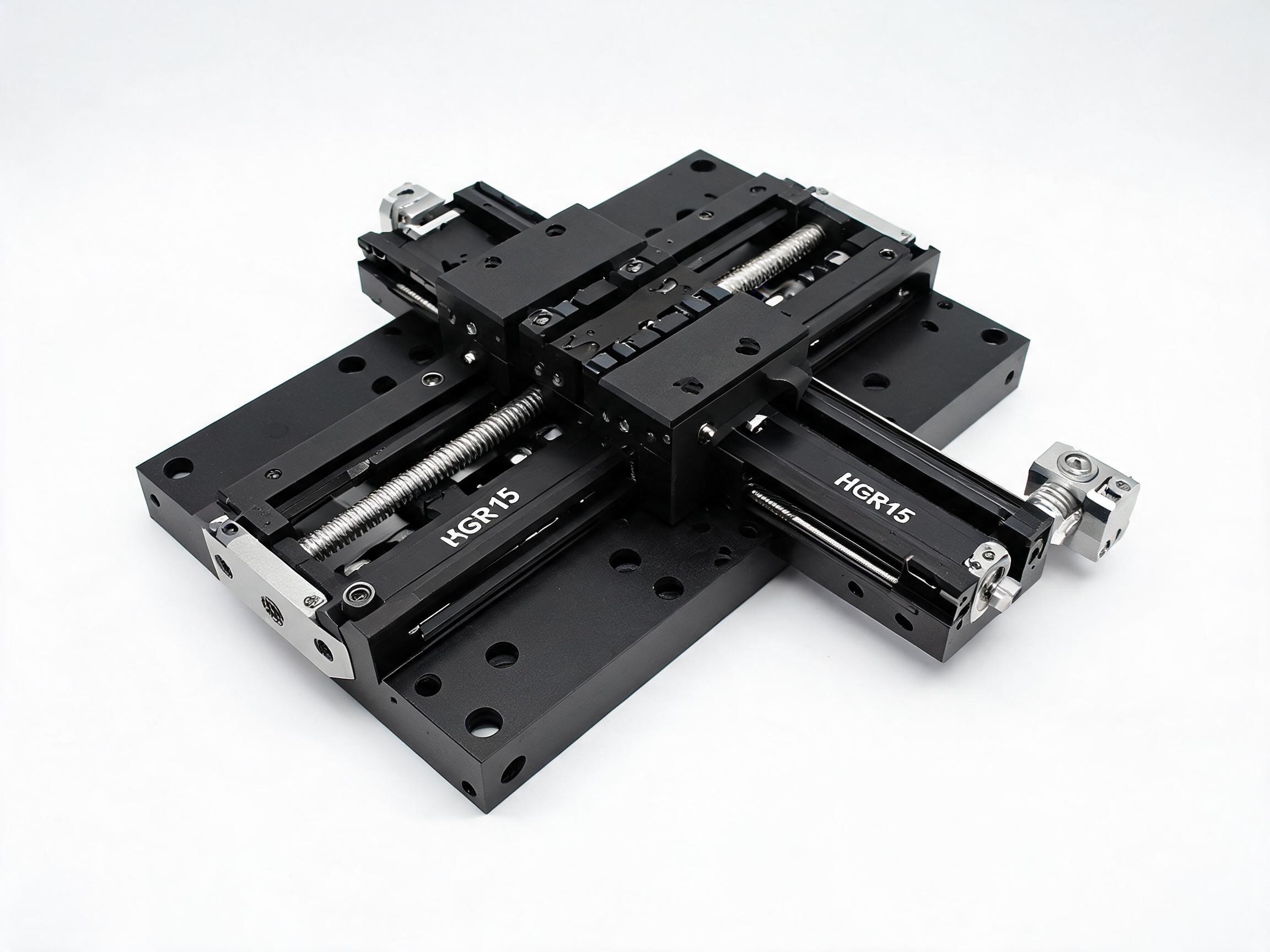
A column-by-column guide to reading integrated linear module spec sheets — stroke, guide, drive, load, repeatability, motor interface and MOQ — using the Dongfeng Bearing SKF20 slide module and XY200 cross slide table as worked examples, plus the details a spec sheet does not settle before you request a quote.
What Is a Linear Guide? Parts, Grades and First Checks
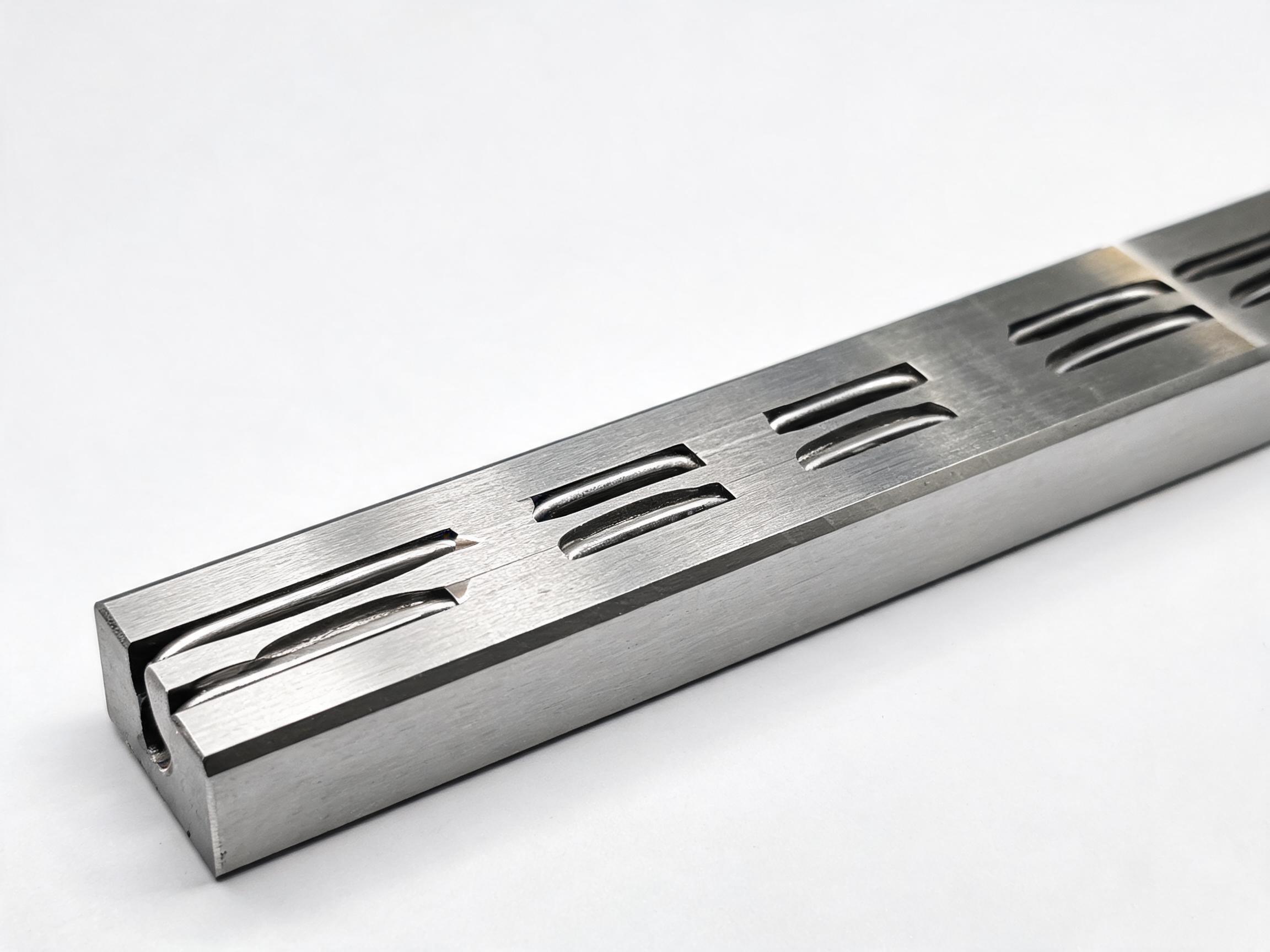
A linear guide is a precision-ground or rolled rail carrying recirculating ball carriages that support and steer a moving load. This explainer covers the anatomy of a carriage, how a guide differs from a round-shaft bushing slide and a ball screw, how HGR, EGH and MGN12 naming works, and the four checks to run before placing a first order.
Linear Motion System Quality Control: What to Require
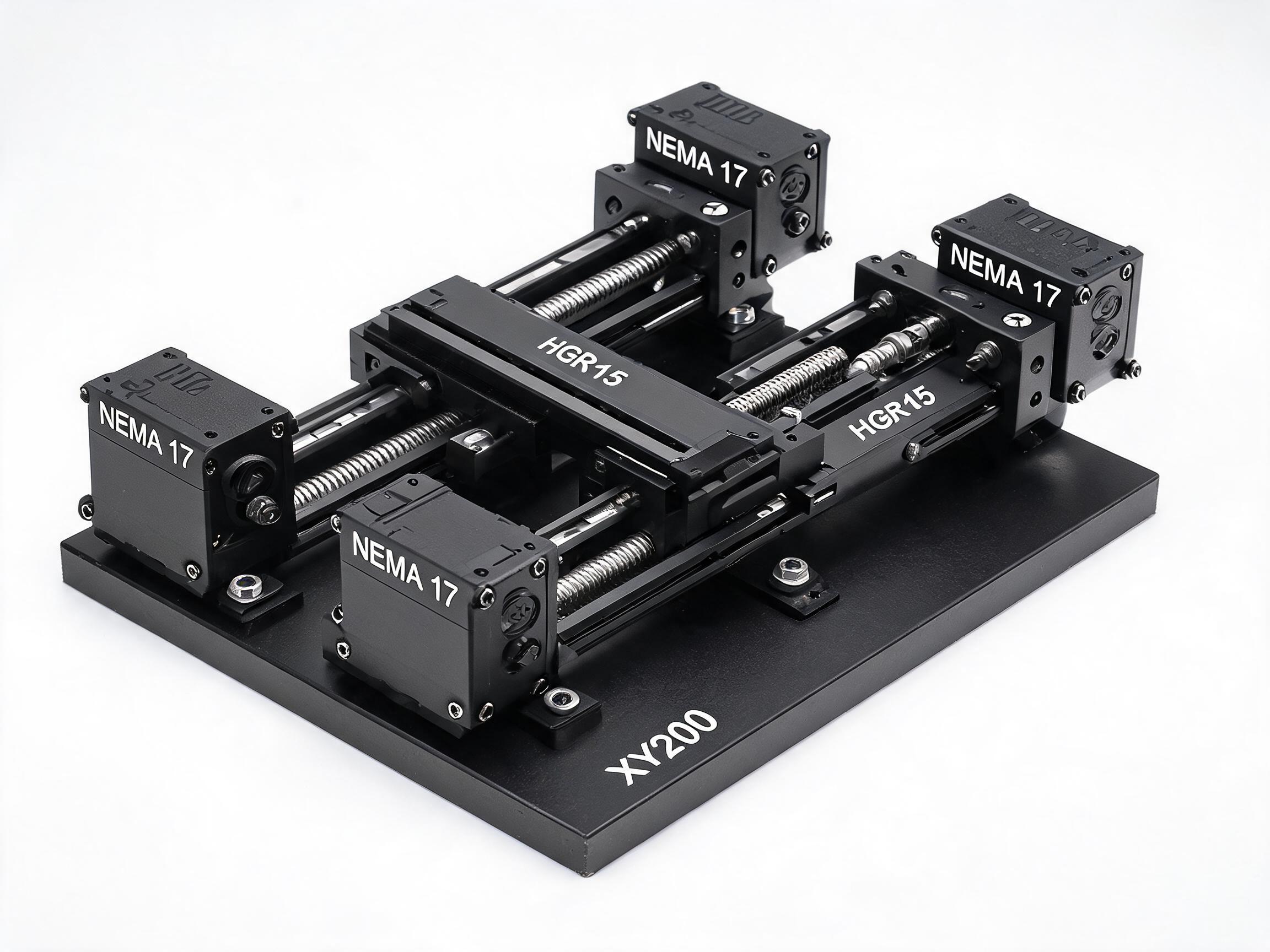
A stage-by-stage quality control checklist for buyers ordering complete linear motion systems from a factory: what to agree in writing before production, which process checks to verify, what a per-shipment CMM inspection report should contain, and why documentation set completeness matters more than a single good sample.
SBS16 Slide Unit: Where an 18 mm Low-Profile Slide Fits
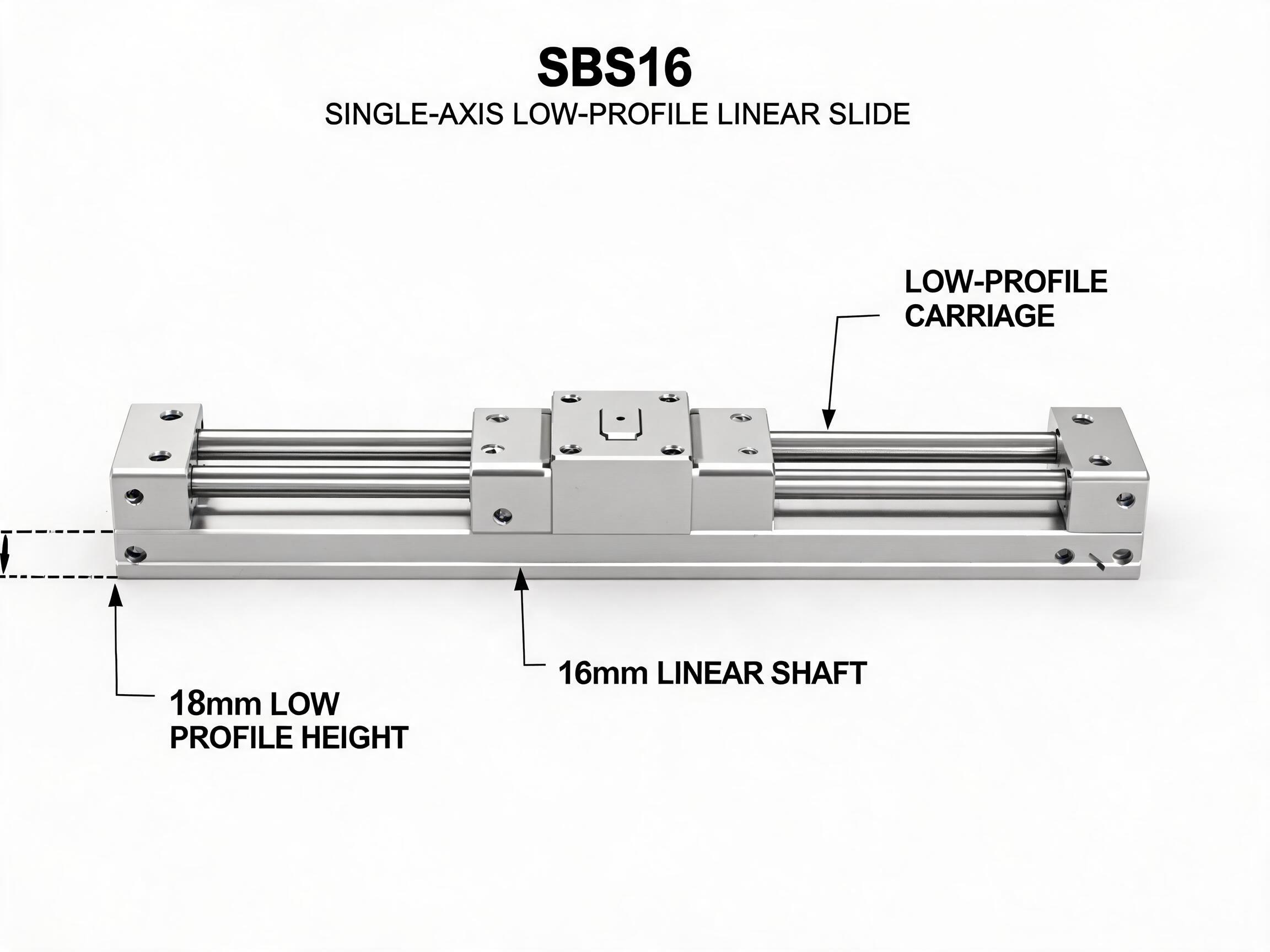
The SBS16 slide unit is a 16 mm shaft single-axis slide with an 18 mm total height. This selection explainer covers where that low profile actually helps, what it costs you in moment capacity, and how to decide between the SBS16 and a taller SBR16 rail unit.
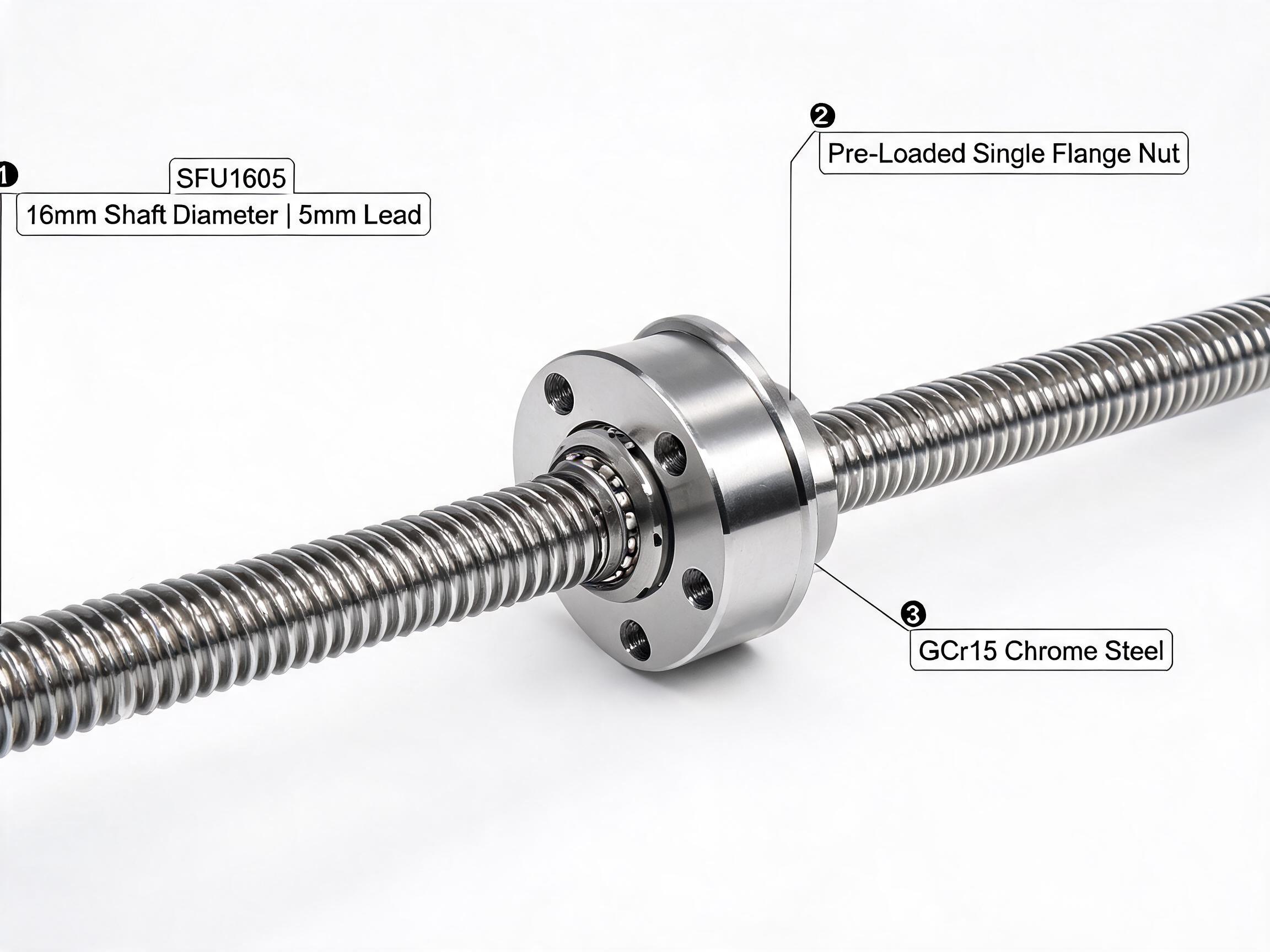
Ball Screw Catalog: Reading the Columns Before You Order
A buyer's guide to the ball screw catalog: what each column means, how to shortlist a rolled or ground screw by duty, and which details need confirmation beyond the table before you place an order.
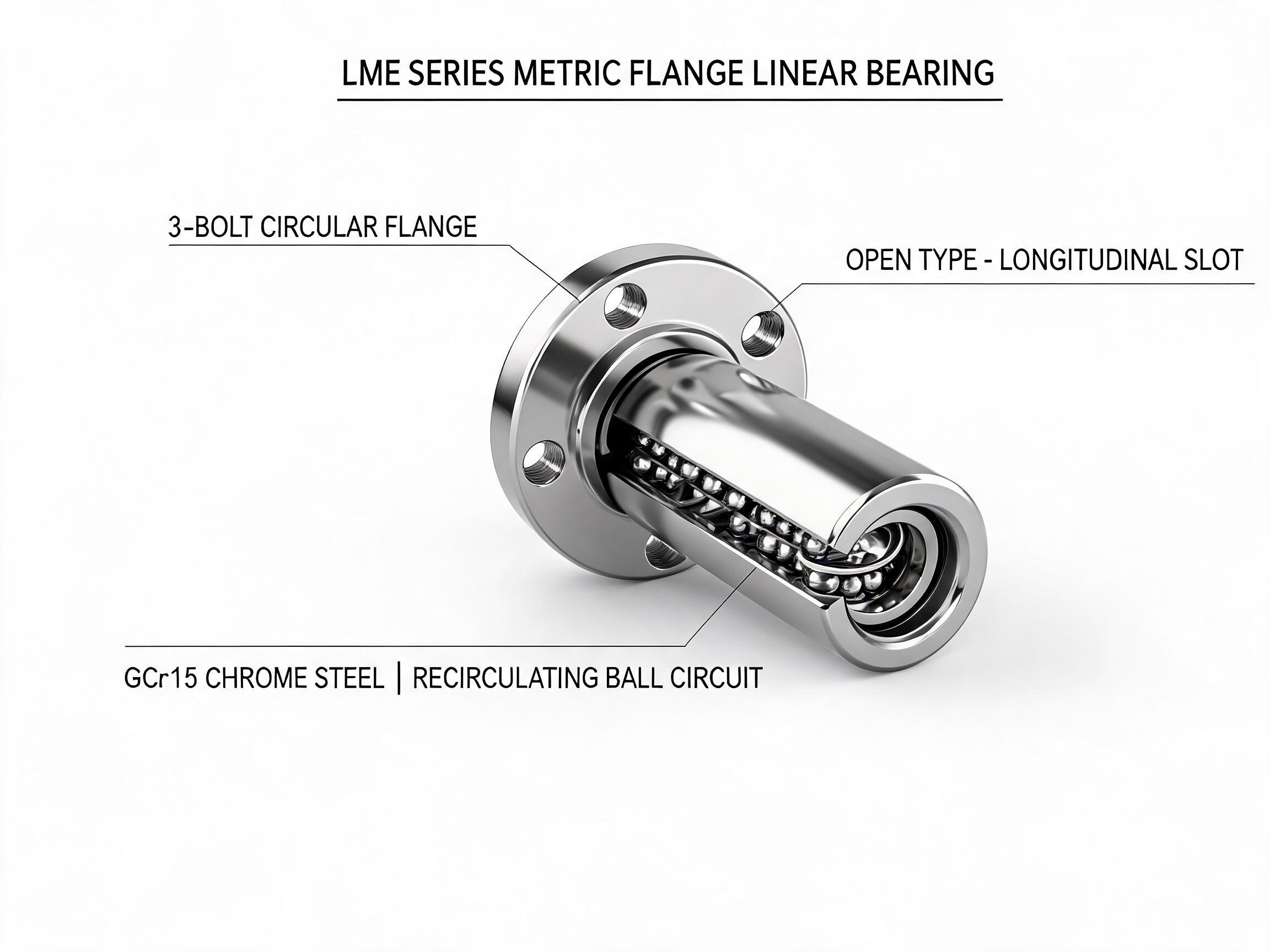
Rail and Bearing Drawings: What to Verify Before You Order
A linear guide rail drawing or linear bearing drawing determines fit before you order. This guide explains which callouts to check—envelope dimensions, mounting hole pitch, bolt size, flange bolt-circle, open-slot orientation, and straightness or grade—and what to include when sending your own machine drawing for custom hole patterns or lengths.
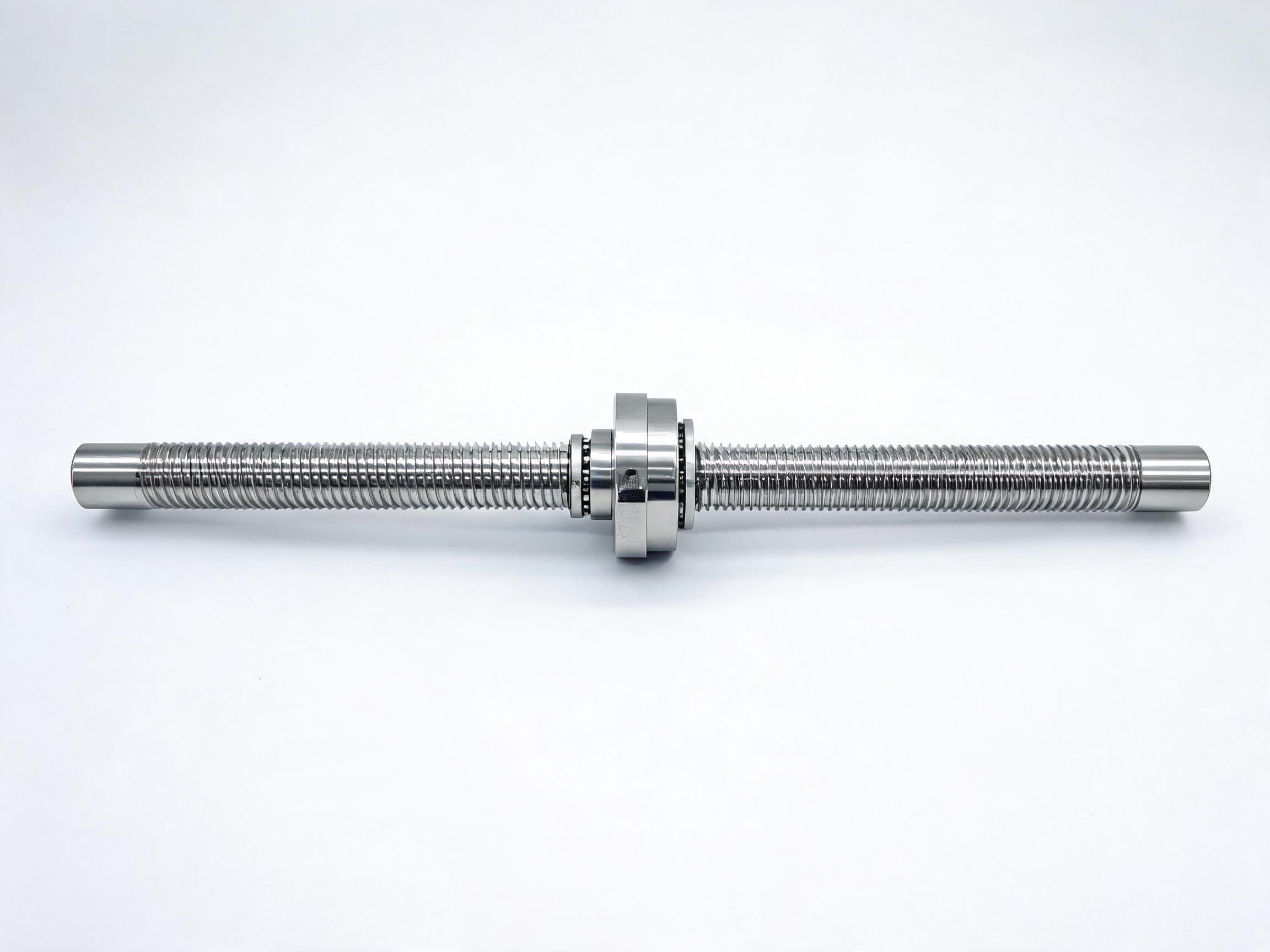
Ball Screw Vibration: What to Check First on the Machine
A practical check order for machine builders and maintenance engineers: isolate frame, bearing block and coupling problems before attributing axis vibration to the ball screw, then inspect nut preload feel, shaft straightness and end support, with speed-related resonance examined last.
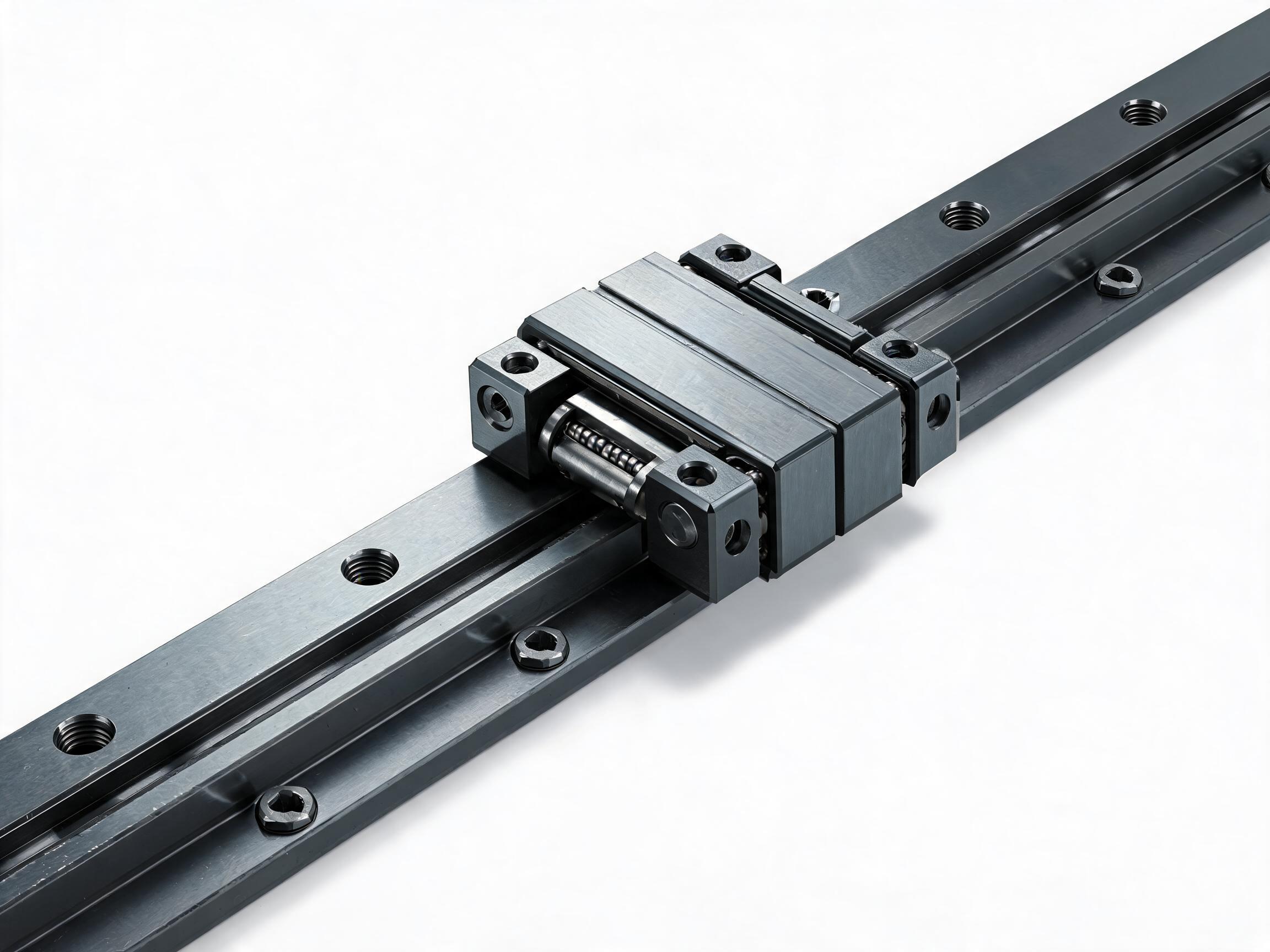
Linear Guide Rail Width: What the Size Number Decides
A parameter explainer on what the width number in a linear guideway size designation actually controls: per-carriage load capacity, rigidity context, mounting bolt size, and carriage family — plus how to measure an existing rail and why width and height are two separate dimensions.

Ball Screw Failure: Reading the Symptoms Before You Replace
A symptom-reading guide for maintenance engineers and buyers: work from the easiest checks (lubrication, contamination, mounting, preload feel) toward conclusive findings such as raceway spalling or a bent shaft, and learn what information a supplier needs to quote a correct replacement.
Bearing Rails: Which Rail and Block System Fits Your Build
A decision guide for specifying bearing rails: integrated SBR round-shaft units, HGR profile guideways with carriages, and bare shaft with LM ball bushings, compared on load, precision and mounting conditions.